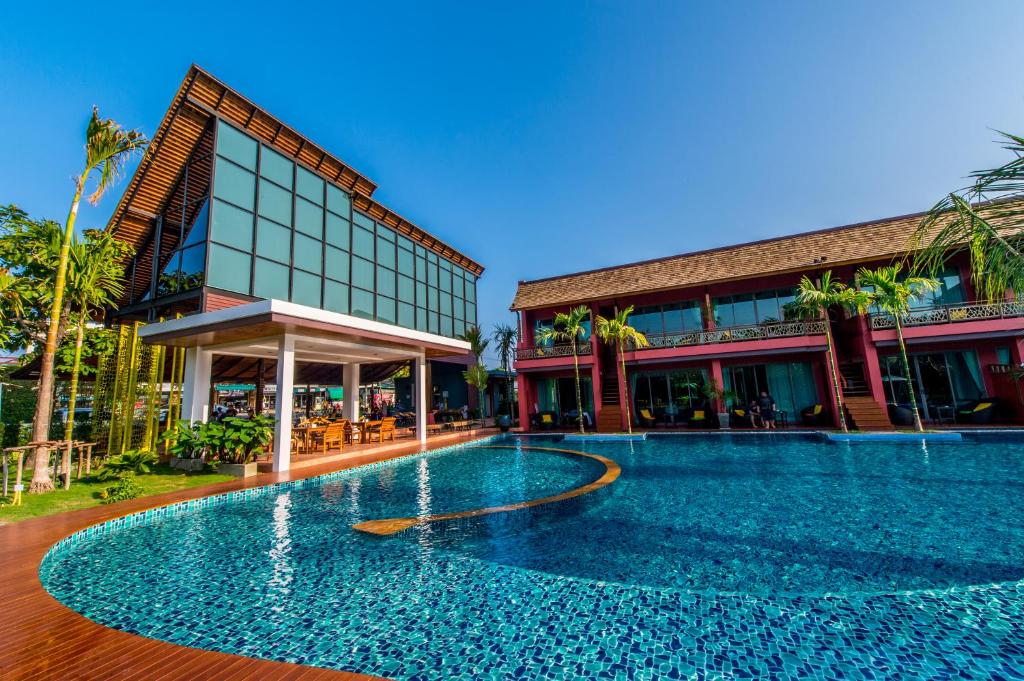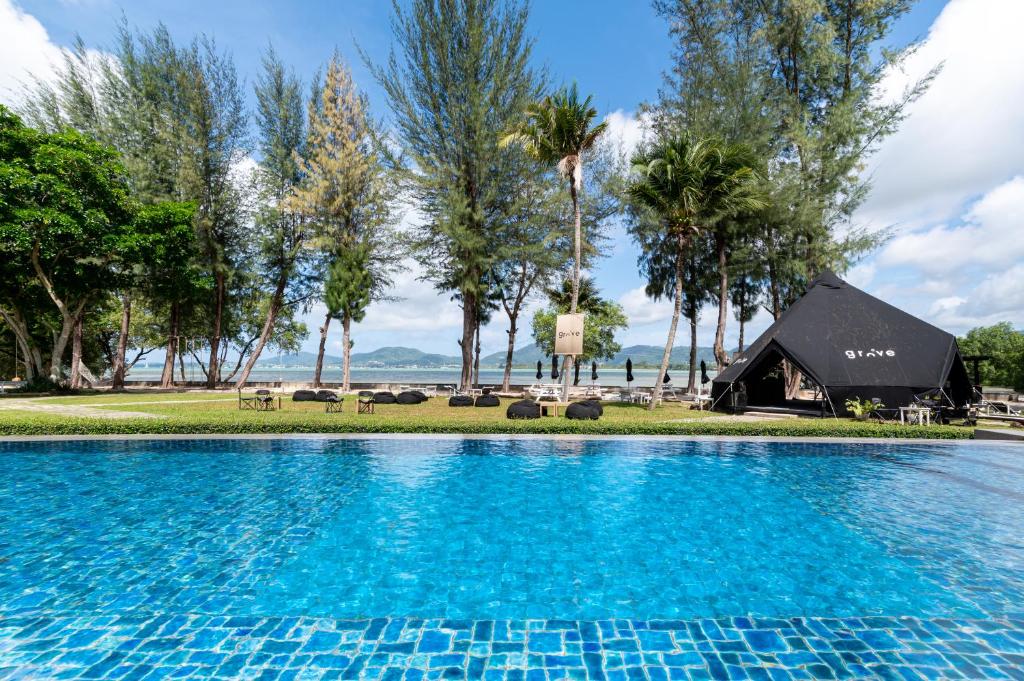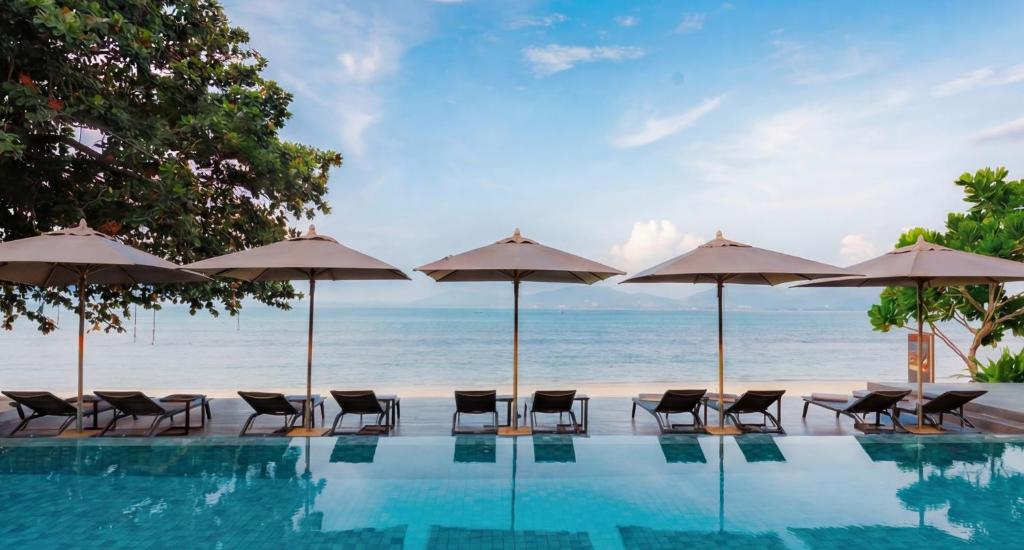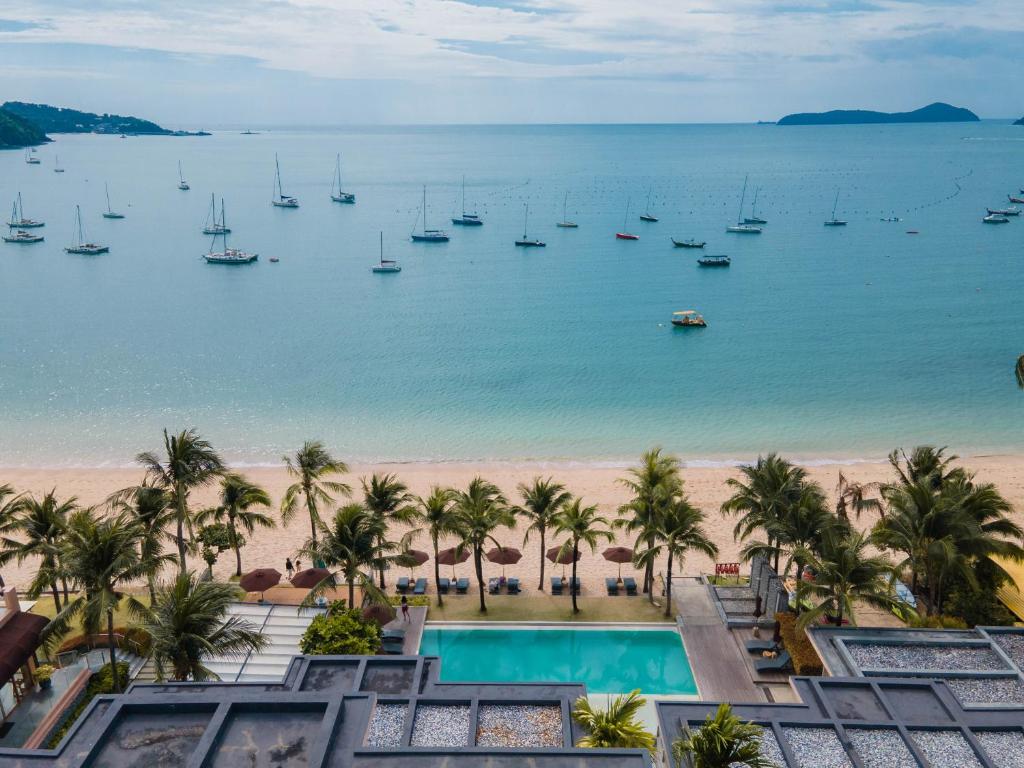
Panwaburi Beachfront Resort
Chalong · 7.8 km from the centre
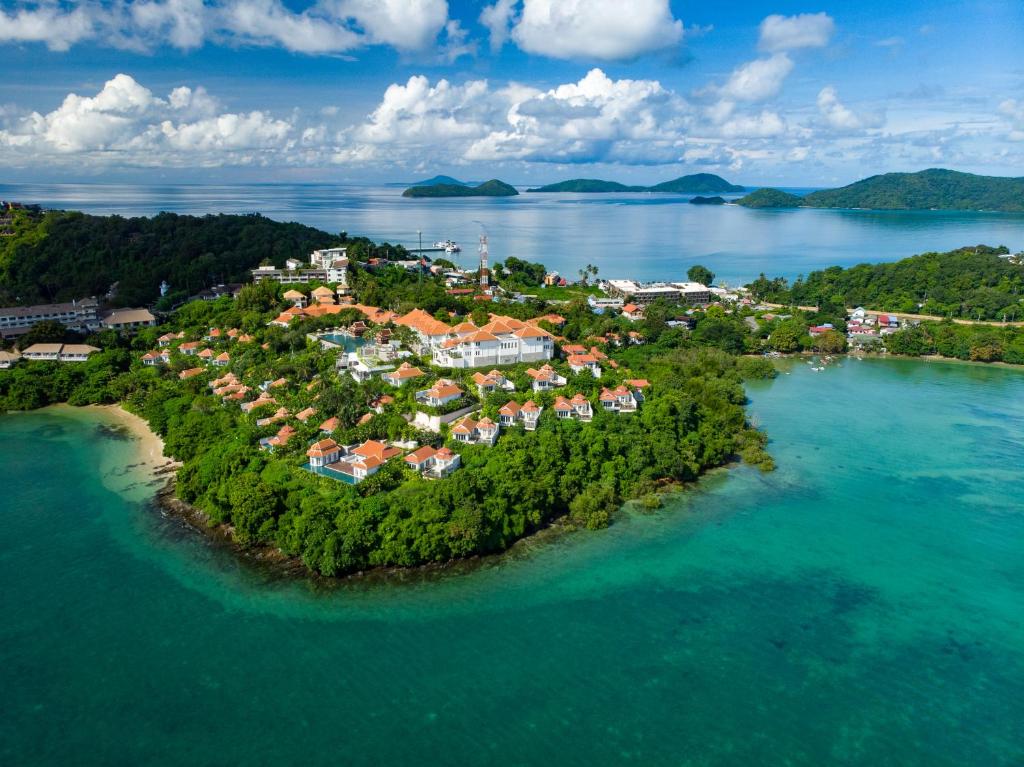
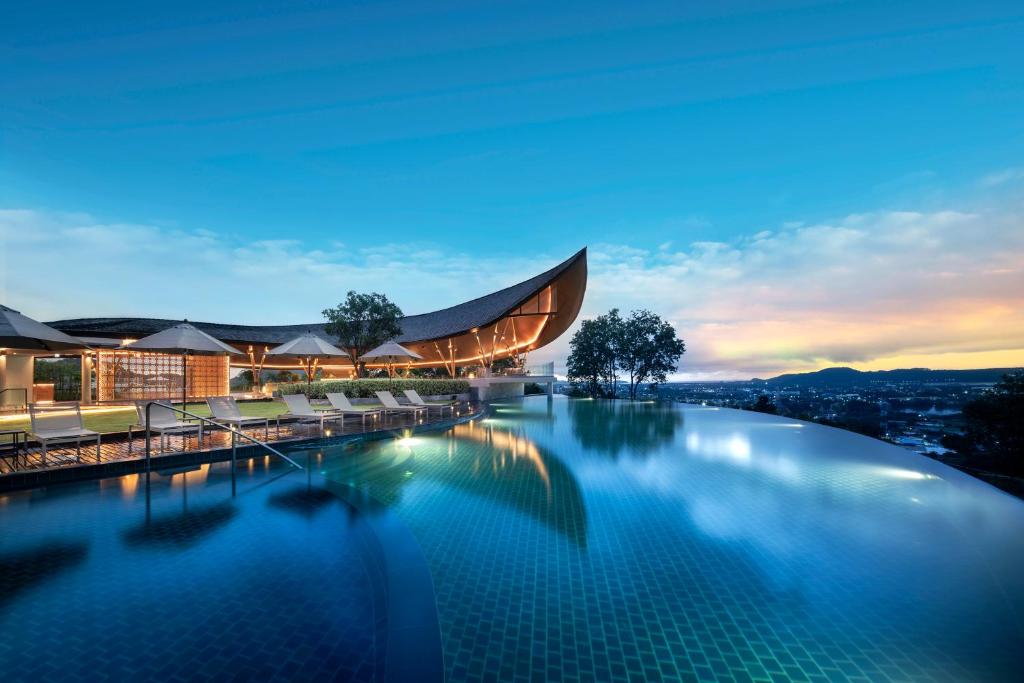
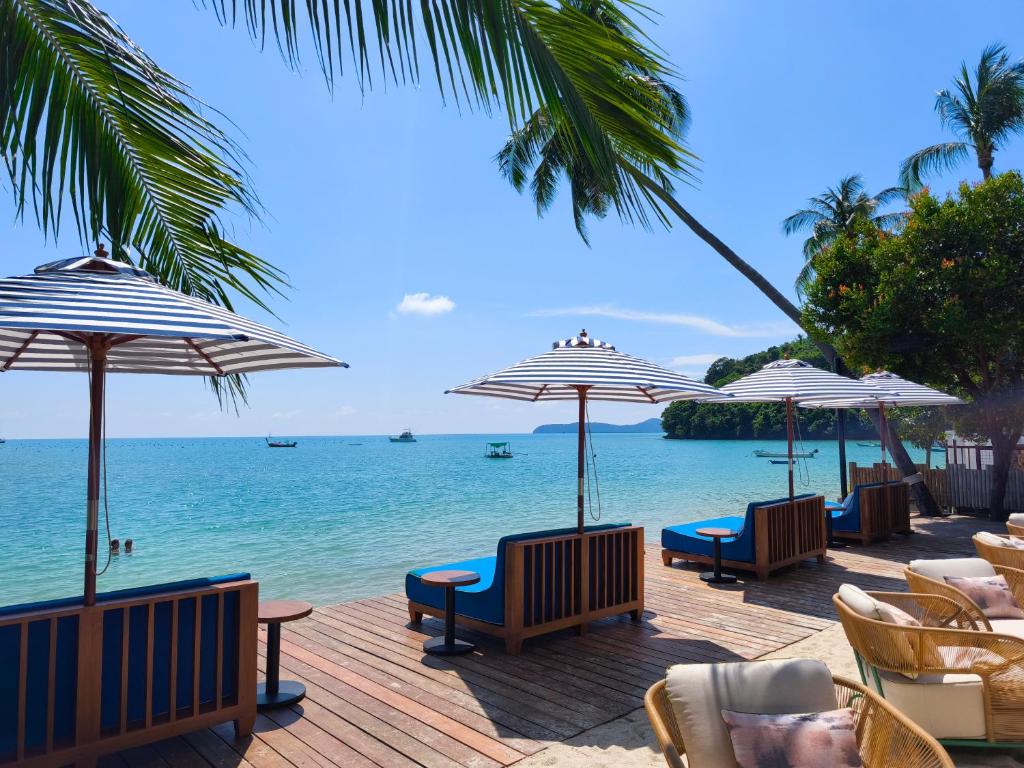
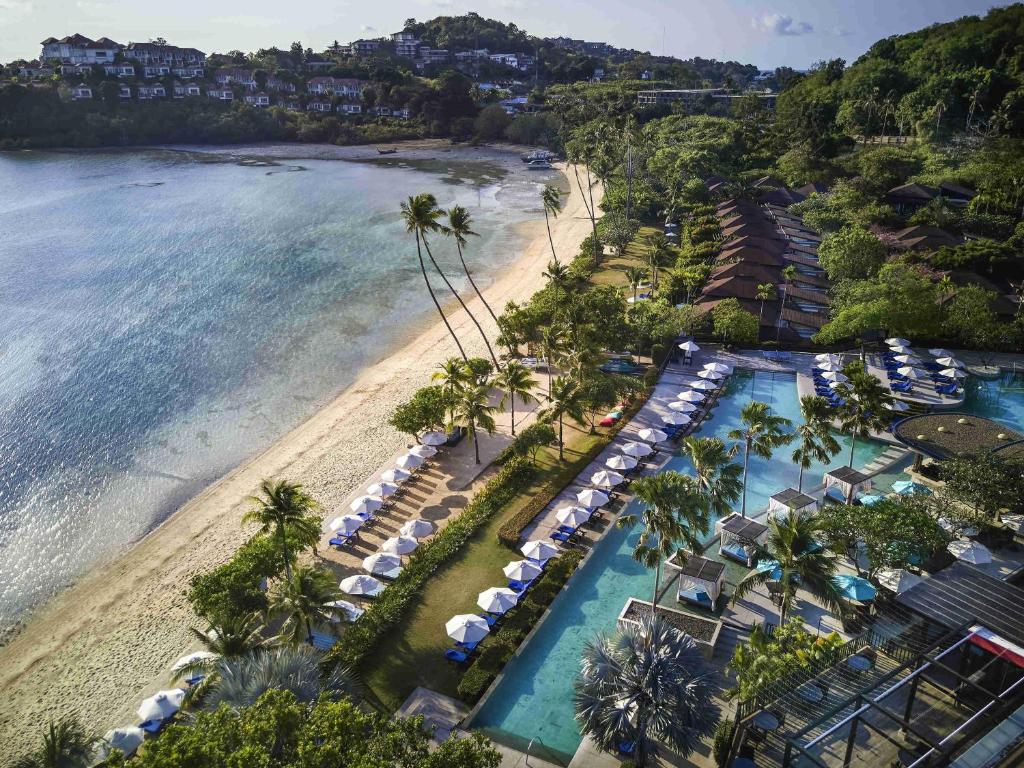
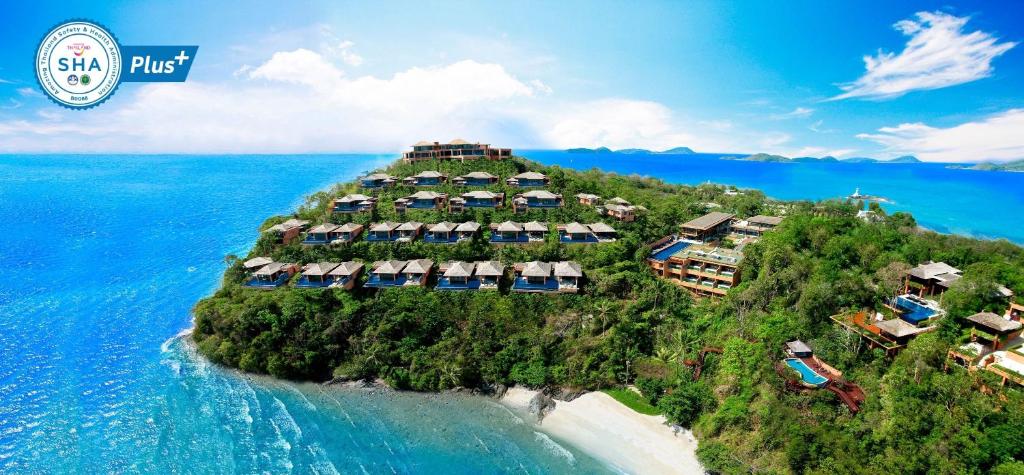
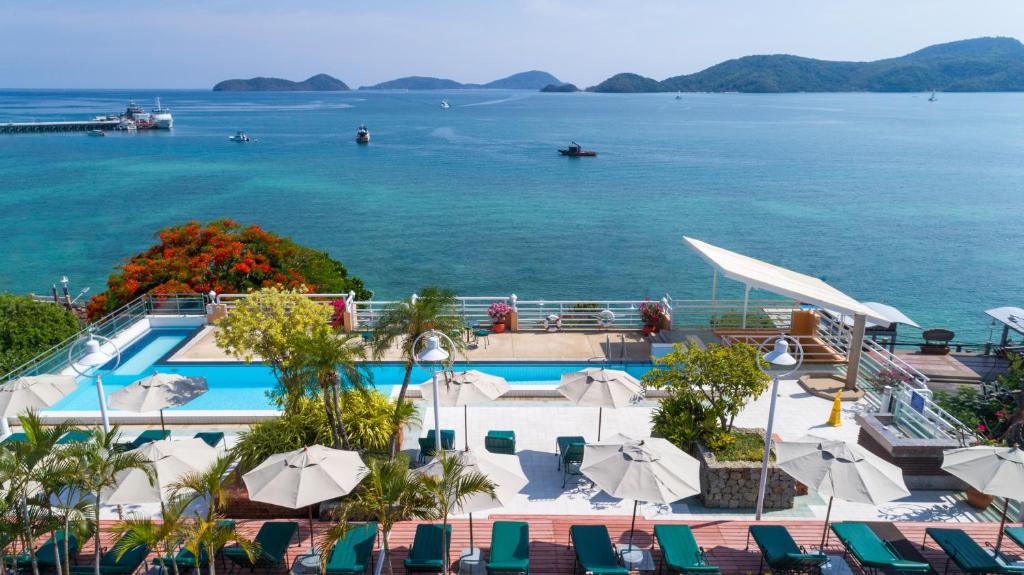
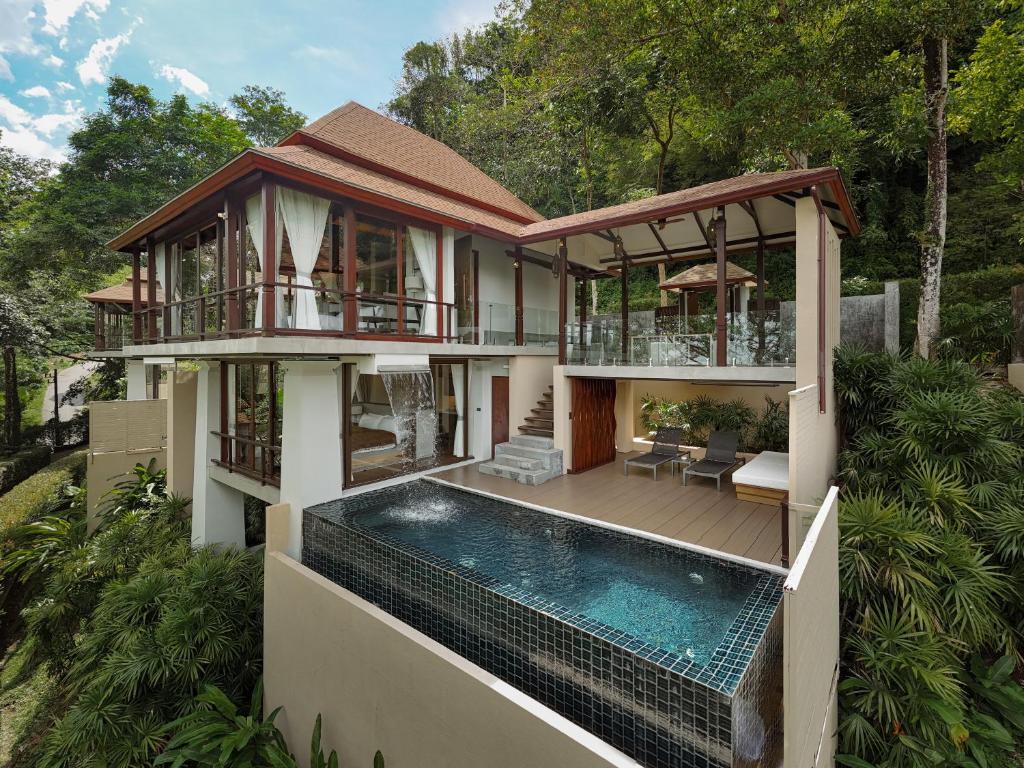
A 5-star hotel in Chalong, Phuket, with beachfront access, a rooftop pool and on-site dining. Room choices include a private-pool villa and suites with sea views.
134 accommodations
Chalong · 7.8 km from the centre
A 5-star hotel in Chalong, Phuket, with beachfront access, a rooftop pool and on-site dining. Room choices include a private-pool villa and suites with sea views.
Chalong · 8.7 km from the centre
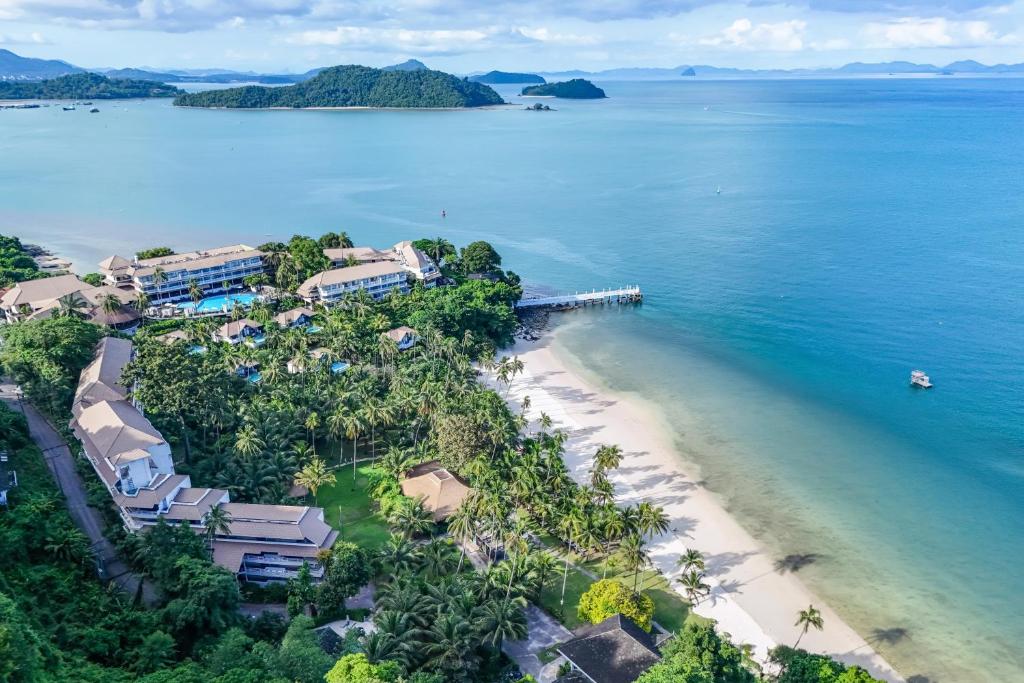
A 5-star resort in Chalong, Phuket, with private pool villas, sea-view suites, a private beach, an infinity pool and spa and fitness facilities.
Chalong · 7.7 km from the centre
A 5-star resort in Chalong, Phuket, with hilltop views, private-pool villas, spa and fitness facilities, and Thai and international dining.
Chalong · 7.9 km from the centre
A beachfront hotel in Chalong, Phuket, with Ao Yon Bay views, an outdoor swimming pool, family room options, dining venues and free private parking nearby.
Chalong · 8.4 km from the centre
A five-star hotel in Chalong, Phuket, with a private beach, sea-view rooms, family facilities and spacious pool villas beside Makham Bay.
Chalong · 3.5 km from the centre
Four-star hotel in Chalong, Phuket, with a year-round outdoor pool, garden and pool-view rooms; family accommodation, an on-site restaurant, free public parking and WiFi.
Chalong · 5.5 km from the centre
A four-star resort in Chalong, Phuket, with tropical gardens, an outdoor pool, private beach access and studios with kitchenettes and sea or garden views.
Chalong · 7.6 km from the centre
Five-star resort in Chalong, Phuket, with a private beach, infinity pool, sea- and mountain-view rooms, spa facilities and daily American buffet breakfast.
Chalong · 7.9 km from the centre
A five-star resort on Panwa Beach in Chalong, Phuket, with sea-view pool villas, a restaurant, bar, spa facilities and nearby access to Ao Yon Beach.
Chalong · 9.5 km from the centre
A five-star hotel in Chalong, Phuket, with private-pool villas, sea views, family accommodation, a private beach, six restaurants and spa facilities.
Chalong · 4.9 km from the centre
A 3-star resort in Chalong, Phuket, with a year-round pool, garden and pool-view rooms featuring private kitchens, balconies and free private parking.
Chalong · 5.7 km from the centre
A four-star hotel in Chalong, Phuket, with pool-access rooms, a private-pool villa, garden grounds and a restaurant serving Thai and American dishes.
Chalong · 9.5 km from the centre
A four-star hilltop resort in Chalong, Phuket, with bay views, an outdoor pool, Thai and international dining, wellness facilities and spacious rooms with balconies.
Chalong · 9.0 km from the centre
A four-star hotel in Chalong, Phuket, with kitchenette-equipped suites, a rooftop pool overlooking the Andaman Sea, buffet dining and spa facilities near Panwa Beach.
Chalong · 0.6 km from the centre
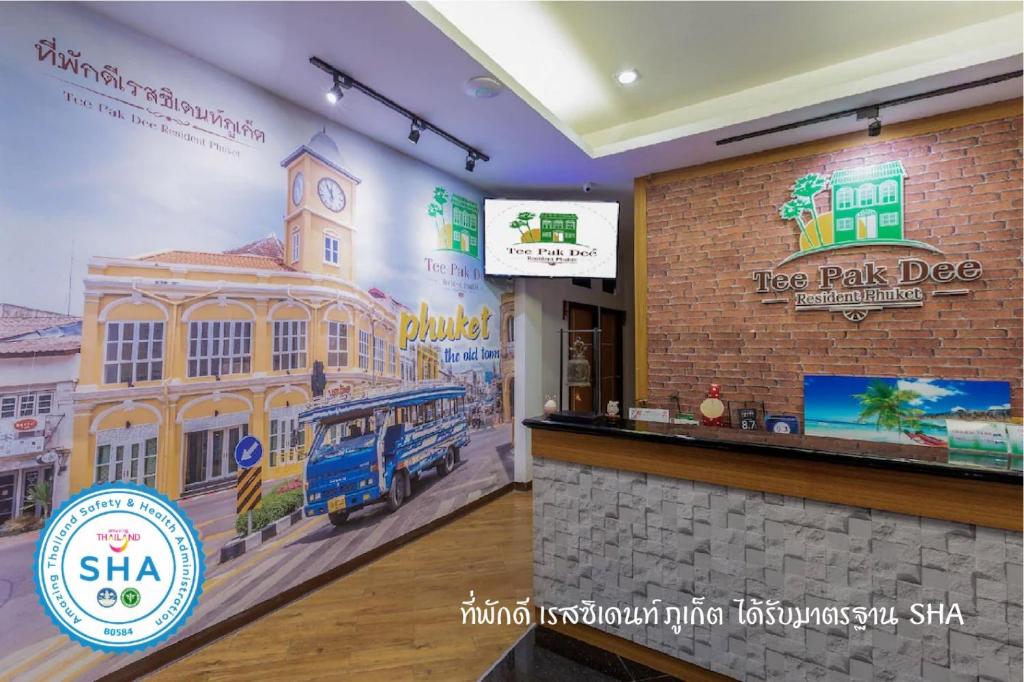
A 3-star hotel in Chalong, Phuket, with private terraces, garden views, a coffee house and free public parking, close to Phuket Town's Old Town streets.
Chalong · 8.9 km from the centre
A 5-star hotel in Chalong, Phuket, with a private beach, nine restaurants, spa facilities and a choice of garden-view suites, family rooms and private-pool villas.
Chalong · 6.8 km from the centre
A 5-star resort in Chalong, Phuket, with private-pool villas, rainforest and mountain views, a restaurant, spa treatments, spacious group accommodation, a fitness centre and outdoo...
Chalong · 6.0 km from the centre
A four-star hotel in Chalong, Phuket, with an infinity pool, spacious suites and bungalows, a fitness centre, garden views and on-site dining with local and international dishes.
Chalong · 5.6 km from the centre
A 3-star hotel in Chalong, Phuket, with an outdoor pool, Thai restaurant, garden-view bungalows, family accommodation and free private parking.
Chalong · 7.6 km from the centre
A 5-star hotel in Chalong, Phuket, with sea- and pool-view rooms, pool-access options, spa facilities, family amenities and Ao Yon Beach 700 m away.
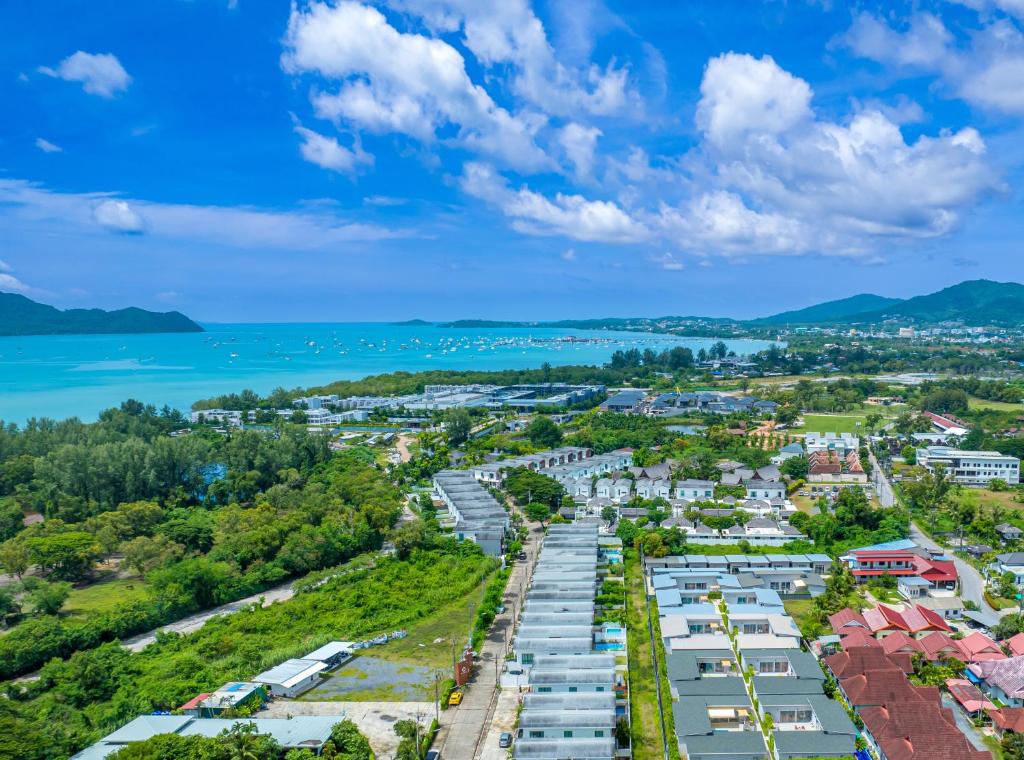
Chalong is a district in the south-east of Phuket, around a wide, sheltered bay dotted with yachts and fishing boats. It is not a beach resort: the shore is muddy at low tide and used by boats rather than swimmers. Instead, Chalong is known for Wat Chalong, the most important Buddhist temple on the island, for the white statue of the Big Buddha on the hill above the bay, and for Chalong Pier, the departure point for boats to Koh Racha, Coral Island and other islands. To the east, the peninsula of Cape Panwa has quiet coves, resorts and the Phuket Aquarium.
On this site Chalong covers the district around the bay, Cape Panwa and Ao Makham.
Chalong suits travellers who want a central position in the south of the island, divers and snorkellers using Chalong Pier, long-stay visitors and families renting villas, and sports travellers training at the Muay Thai and fitness camps of the area. Cape Panwa suits couples and families who want a calm resort by the sea away from the crowds.
The trade-offs are that Chalong itself has no swimming beach and is crossed by busy roads; the best beaches are 15 to 25 minutes away by car, at Kata, Karon or Nai Harn.
The 134 properties listed in this area are mostly hotels and resorts, followed by villas, apartments and guest houses. Hotels and guest houses are spread along the main roads and around the pier, villas are in the estates on the hills, and the resorts of Cape Panwa stand on their own coves. Guest ratings are high, with a median of about 8.7 out of 10 on this site.
In the central-east area of the island, which includes Chalong and Phuket Town, upscale and luxury hotels averaged about 5,300 baht a night in the first half of 2026, the lowest of the main areas of Phuket; Cape Panwa is part of the south, at about 5,600 baht. When choosing, check whether a car or scooter will be needed, as public transport is limited.
The Big Buddha, a 45-metre statue of white marble on Nakkerd Hill, offers wide views over Chalong Bay, Kata and Karon. It reopened in March 2026 after being closed following the landslide of August 2024; entry is free, it is open from 09:00 to 18:00 (last entry 17:30), and visitors must cover shoulders and knees, with sarongs available. Wat Chalong, the island's largest temple, is open daily from 07:00 to 17:00 and free to visit; its tall chedi, decorated halls and fireworks are part of local devotion.
Chalong Pier is the starting point for boats to Koh Racha, about 30 to 40 minutes by speedboat, with day trips of about 1,500 to 3,500 baht, and to Coral Island, about 15 minutes away. On Cape Panwa, the Phuket Aquarium displays the marine life of the Andaman Sea (about 180 to 250 baht for foreign adults), and the small beaches of the cape are quiet places to swim in the dry season.
Promthep Cape, Nai Harn and the Rawai seafood market are about 15 to 20 minutes to the south, and Phuket Old Town about 20 minutes to the north.
From Phuket International Airport, the ride takes about an hour by car, depending on traffic. Ride-hailing apps and taxis are the easiest way to get to Chalong, as the Smart Bus follows the west coast rather than the east.
Within the area, distances are long and roads are busy, so most visitors use ride-hailing apps, taxis or rented scooters; songthaews, the open-sided local buses, run on some routes between Phuket Town and the south. Scooter riders need a motorcycle licence and an International Driving Permit valid for motorcycles, and helmets are compulsory.
The dry season, from about November to April, is the best time for boat trips from Chalong Pier, with calm seas and good visibility for snorkelling at Racha and Coral Island. From about May to October the monsoon brings showers and rougher seas, and some trips may be cancelled; September and October are the wettest months. Chalong Bay is sheltered from the south-west monsoon, so it stays calm when the west coast is rough.
Chalong is a lived-in district rather than a resort. In the morning, divers and day-trippers gather at the pier, monks collect alms, and the markets and roadside restaurants serve breakfast to locals and long-stay residents. During the day, the roads are busy with scooters, delivery vans and school buses, and the gyms and training camps fill up in the afternoon.
The temples are at the centre of local life, especially Wat Chalong during festivals, when Thai families come to make offerings and set off firecrackers. In the evening, restaurants, bars and markets along the main roads and near the pier fill up, and the atmosphere is relaxed and local.
For travellers, Chalong is a practical, good-value base in the south of the island, with temples, boat trips and the Big Buddha on the doorstep and the beaches a short drive away.
Chalong has many Thai restaurants and seafood places along the bay and the main roads, with lower prices than the beach resorts, and a growing number of healthy cafés and international restaurants for the long-stay community and the athletes of the training camps.
Near the pier, restaurants serve seafood with views of the boats, and the night markets sell grilled meats, curries, noodles and fresh fruit. The Rawai seafood market, a short drive south, is the best place for a seafood dinner.
Yes, for temples, boat trips, long stays and good value. For a beach on the doorstep, Kata, Karon or Nai Harn are better.
Yes. It reopened in March 2026 and is open from 09:00 to 18:00 (last entry 17:30), free of charge; cover shoulders and knees.
The bay is used by boats and is shallow and muddy at low tide; the nearest swimming beaches are at Cape Panwa, Kata, Karon and Nai Harn.
From Chalong Pier: about 30 to 40 minutes by speedboat.