Phuket Meet Holiday Hotel-Rawai 普吉岛相遇花园度假酒店-拉威店
Rawai · 14.0 km from the centre
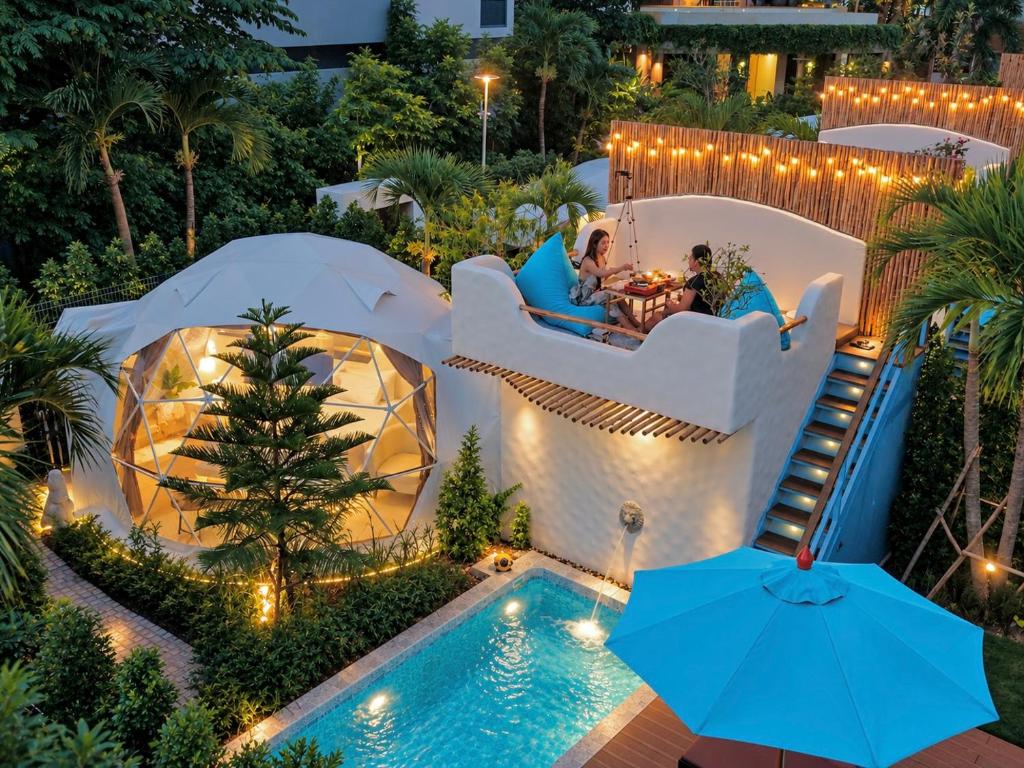
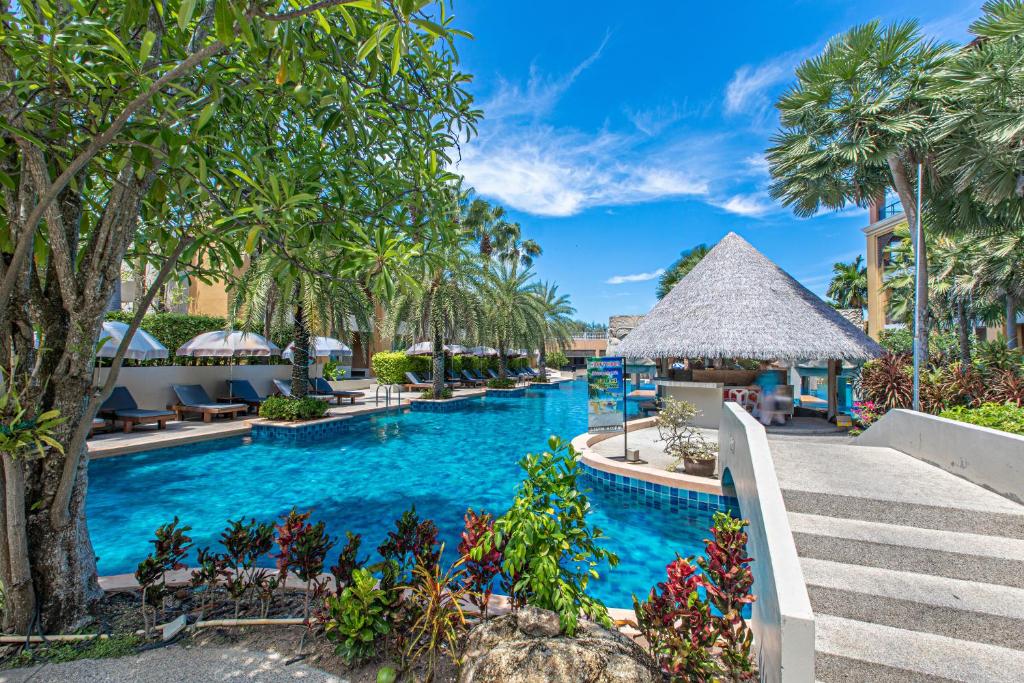
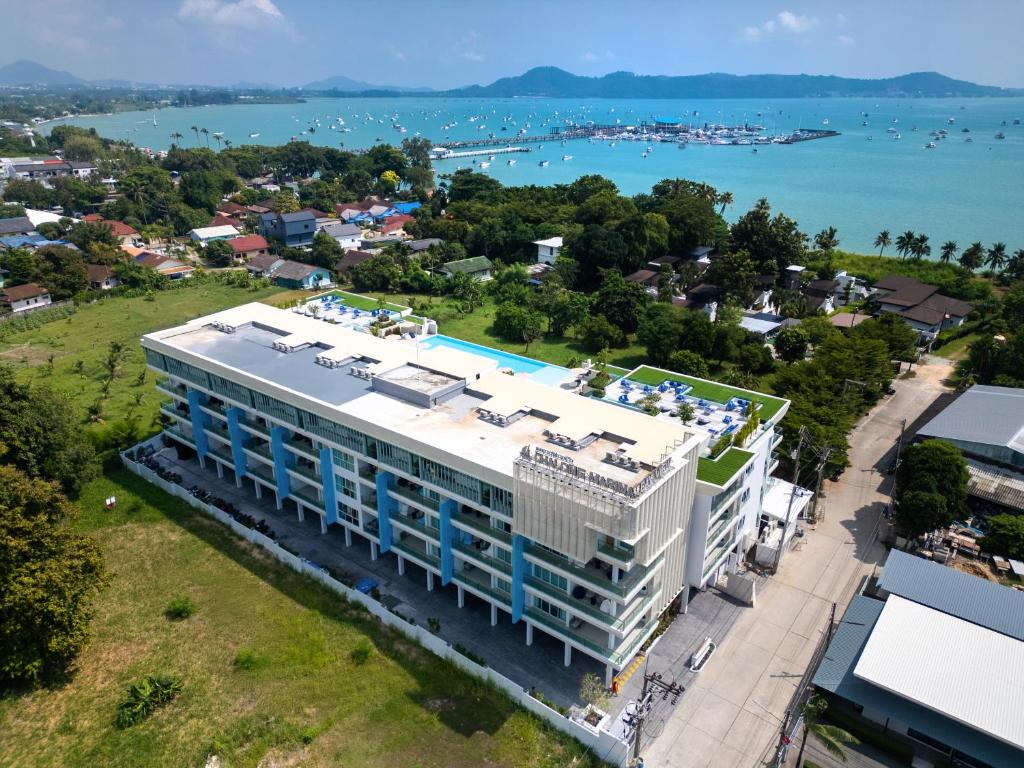
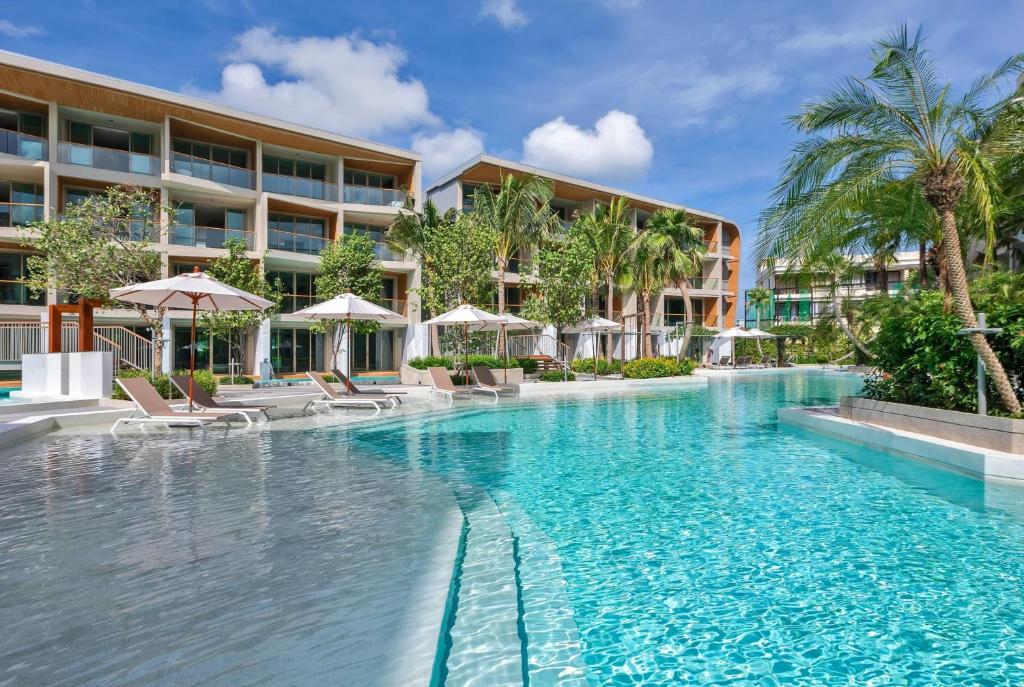
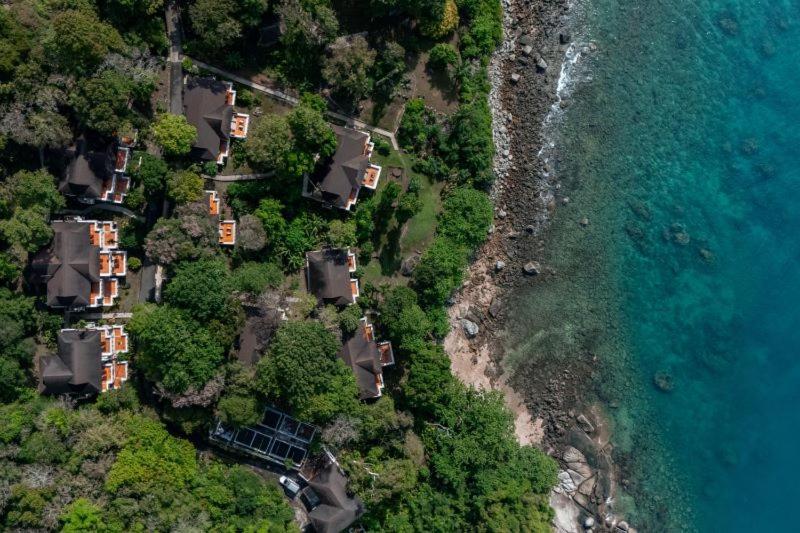
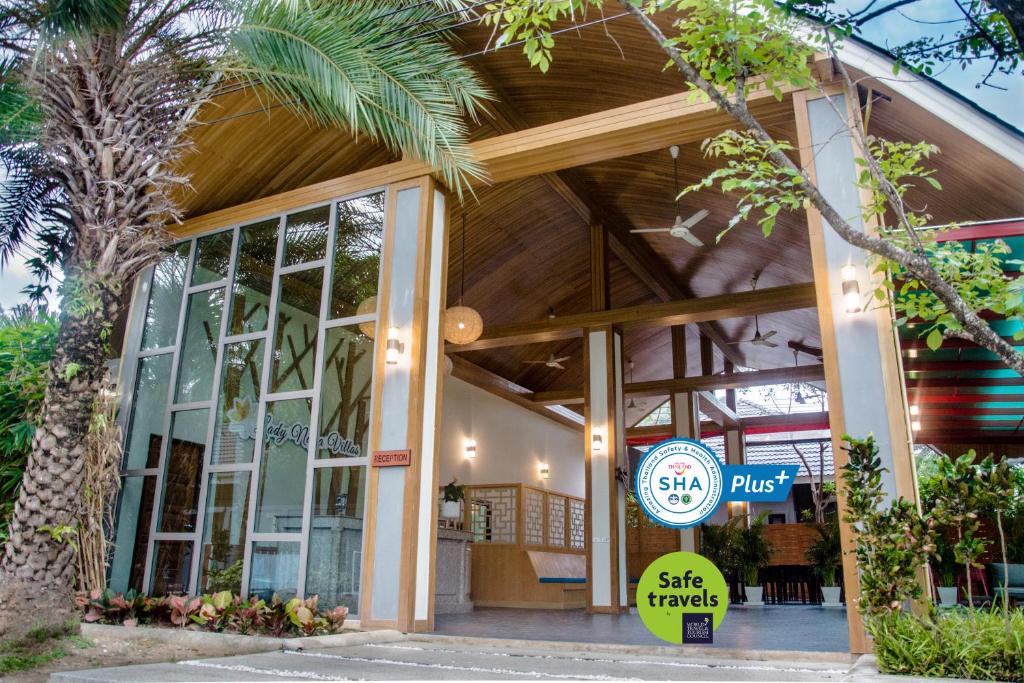
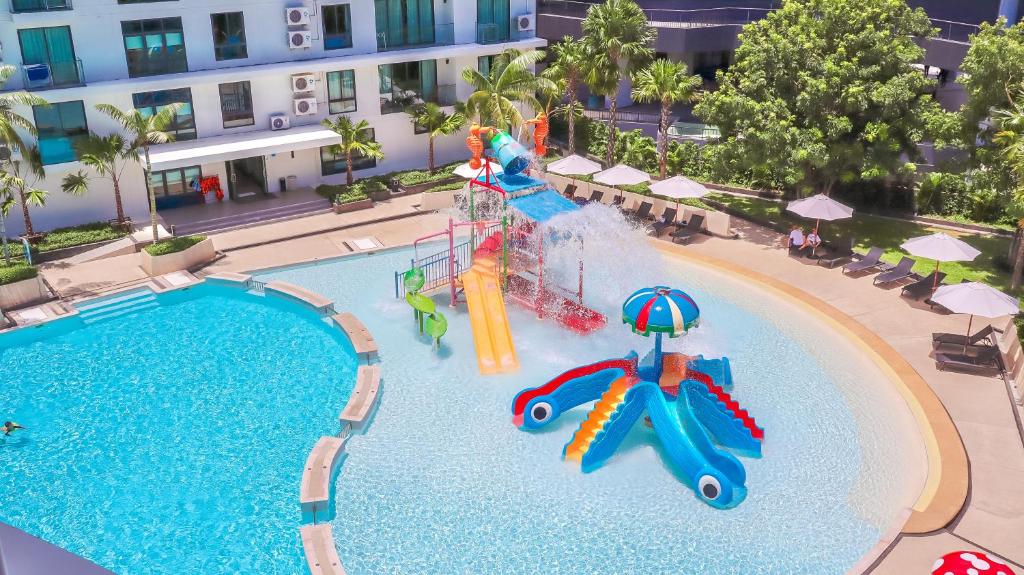
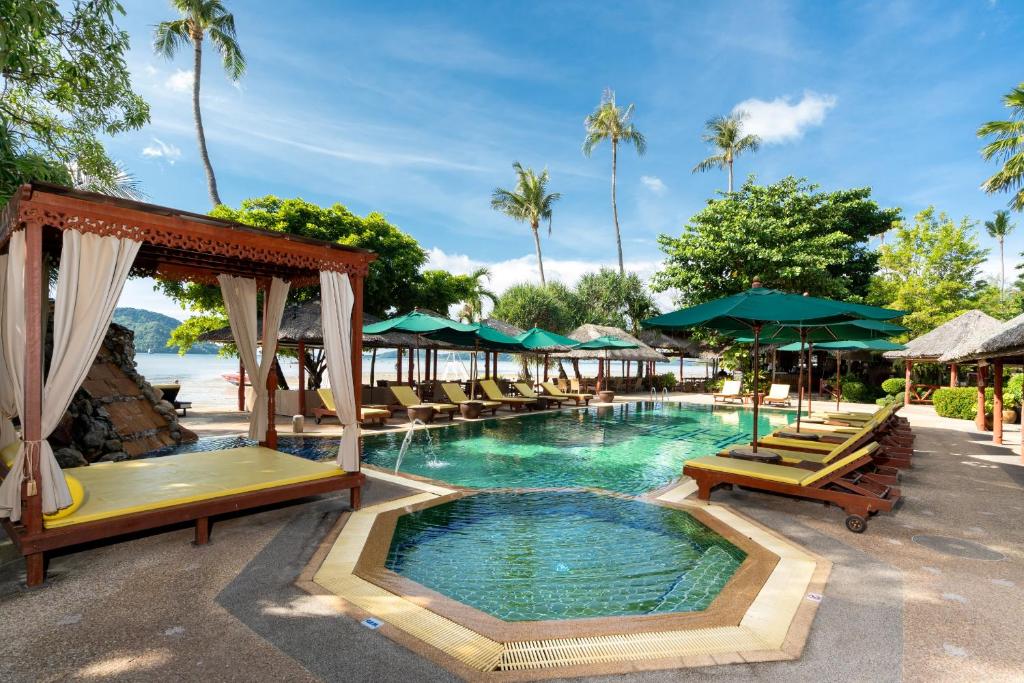
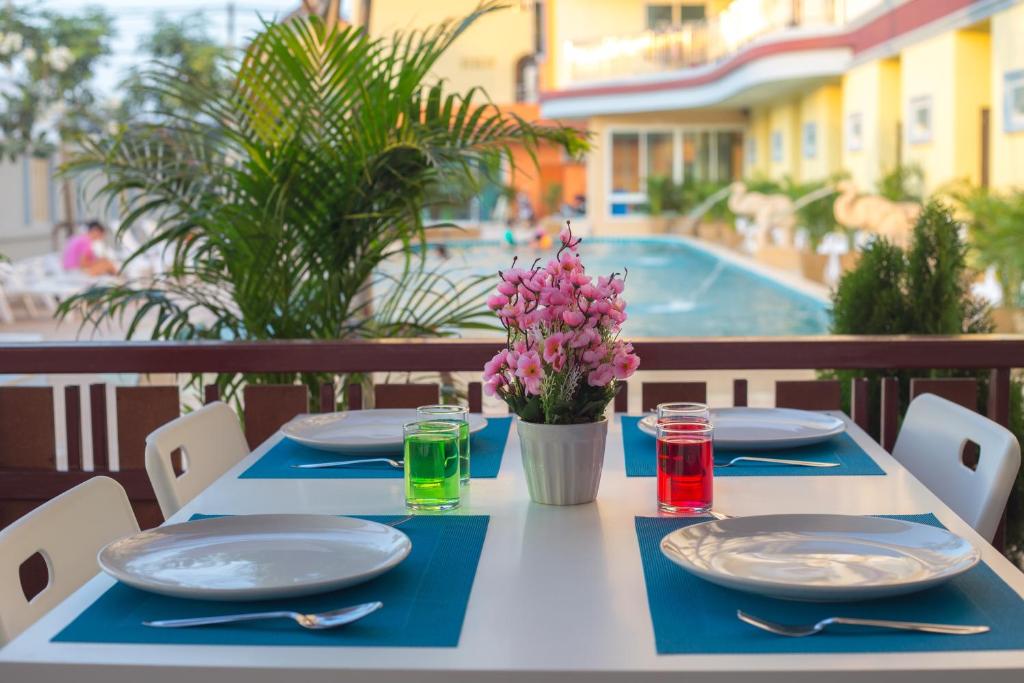
A four-star hotel in Rawai, Phuket, with a garden pool, terrace rooms, Thai and international dining, massage services and a tour desk for local outings.
350 accommodations
Rawai · 14.0 km from the centre
A four-star hotel in Rawai, Phuket, with a garden pool, terrace rooms, Thai and international dining, massage services and a tour desk for local outings.
Rawai · 13.0 km from the centre
A five-star hotel in Rawai, Phuket, with an infinity pool, garden-view rooms, private-pool villas, buffet breakfast, a restaurant and free bicycle rental.
Rawai · 14.9 km from the centre
A four-star resort in Rawai, Phuket, with pool-view rooms, three swimming pools, two restaurants, a fitness centre and a free shuttle to Ya Nui Beach.
Rawai · 9.1 km from the centre
A five-star hotel in Rawai, Phuket, with spacious kitchen-equipped suites, a rooftop bay-view pool, on-site dining and a shuttle to Rawai Beach.
Rawai · 15.2 km from the centre
A five-star resort in Rawai, Phuket, The Nai Harn pairs sea-view rooms and suites with direct Nai Harn Beach access, an outdoor pool, spa and buffet breakfast.
Rawai · 14.2 km from the centre
A five-star hotel in Rawai, Phuket, with an outdoor pool, spa facilities, king and twin rooms, and Nai Harn Beach 950 m away.
Rawai · 16.1 km from the centre
A 3-star beachfront resort in Rawai, Phuket, with a private cove, sea- and garden-view rooms, an outdoor pool, on-site Thai dining and spa treatments.
Rawai · 13.3 km from the centre
A five-star hotel in Rawai, Phuket, with spacious three-bedroom villas, private-pool options, Thai dining, spa facilities and a garden setting.
Rawai · 14.6 km from the centre
A five-star hotel in Rawai, Phuket, with rooftop and children's pools, water-park facilities, family suites, spa services, a garden and an airport shuttle.
Rawai · 12.4 km from the centre
A four-star hotel in Rawai, Phuket, with sea- and garden-view rooms, family accommodation, a restaurant, spa facilities and a water park.
Rawai · 9.7 km from the centre
A five-star hotel in Rawai, Phuket, with private-pool villas from one to four bedrooms, equipped kitchens, an on-site restaurant and fitness and spa facilities.
Rawai · 10.3 km from the centre
A four-star hotel in Rawai, Phuket, with a sea-view pool, spacious rooms, a Family Room for four, an international restaurant and Chalong Pier nearby.
Rawai · 14.3 km from the centre
A 4-star hotel in Rawai, Phuket, The Gallery Hotel Nai Harn pairs spacious rooms and a year-round pool with family facilities, dining and Nai Harn Beach 800 m away.
Rawai · 11.1 km from the centre
A Rawai beachfront resort with direct shore access, a sea-view pool, Atmanjai wellness programmes, varied room and suite layouts, and an on-site restaurant.
Rawai · 9.0 km from the centre
A 3-star hotel in Rawai, Phuket, Smile Residence offers balcony rooms with pool and mountain views, an outdoor pool, an on-site restaurant and free private parking.
Rawai · 15.3 km from the centre
A two-star resort in Rawai, Phuket, with sea-view rooms, an outdoor pool, Thai and Western dining, and Nai Harn Beach 150 m away.
Rawai · 15.2 km from the centre
A 3-star resort in Rawai, Phuket, with a saltwater pool, free beach shuttle, kitchen-equipped rooms, an on-site restaurant and a choice of studios and apartments.
Rawai · 15.7 km from the centre
A four-star resort in Rawai, Phuket, with a year-round outdoor pool, balcony rooms with pool or mountain views, free private parking and varied breakfast choices.
Rawai · 10.8 km from the centre
A 5-star hotel in Rawai, Phuket, with sea- and pool-view suites, a saltwater pool, private beach access, family accommodation and on-site dining.
Rawai · 9.0 km from the centre
A 4-star aparthotel in Rawai, Phuket, with spacious rooms and suites, kitchen-equipped options, balconies, an outdoor pool, gym and sauna.
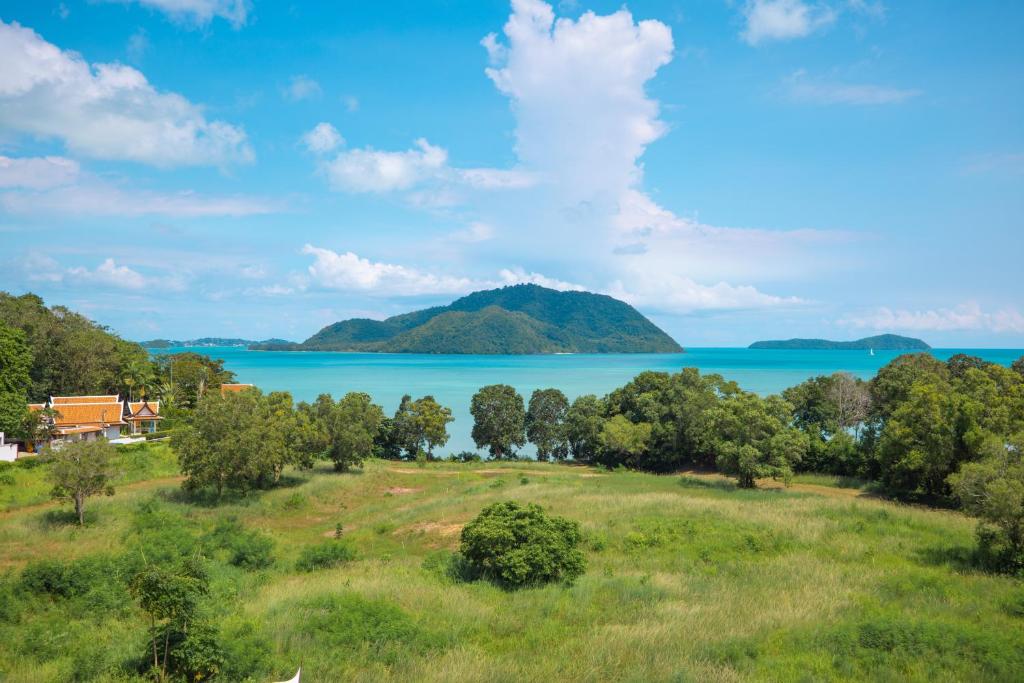
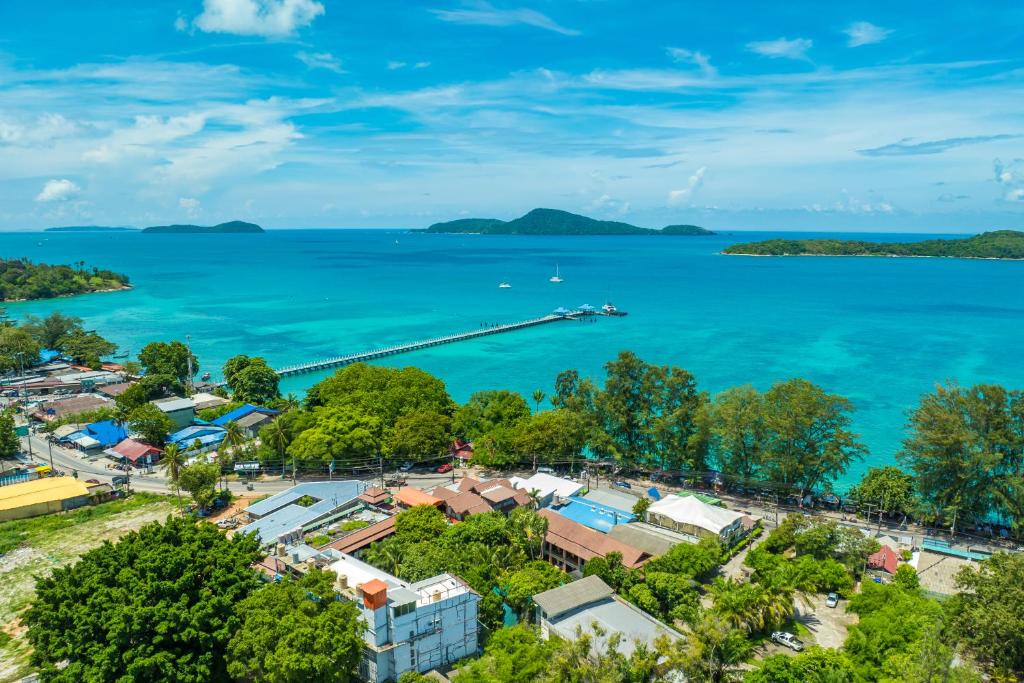
Rawai is the southernmost area of Phuket, a spread of villages, villa estates and green hills around the island's southern tip. Its own beach faces south-east and is a working shore of longtail boats, fishermen and seafood stalls rather than a swimming beach, but within a few minutes are some of the most beautiful spots in Phuket: Nai Harn, a sheltered bay with a lake behind it; the small coves of Ya Nui; and Promthep Cape, the most famous sunset point on the island. Rawai has a large international community of long-stay visitors and a relaxed, village feel.
On this site Rawai covers Rawai Beach and village, Nai Harn, Ya Nui, Saiyuan and the hillsides around Promthep Cape.
Rawai suits long-stay visitors, digital nomads, families and couples who want a villa or apartment, a quiet base with good local restaurants, and easy access to the beaches and viewpoints of the south. It is also popular with travellers who come to train in the Muay Thai and fitness camps of the south of the island.
The trade-offs are distance and transport: the airport is well over an hour away, Patong about 30 to 40 minutes, and the area is spread out, so a car or scooter is often needed. Nightlife is limited to a few bars and music venues.
The 350 properties listed in this area are mostly villas, many with a private pool, followed by apartments, hotels, resorts and holiday homes. Villas and apartments fill the estates around Rawai, Saiyuan and Nai Harn, and the hotels and resorts are mainly near Nai Harn Beach and on the hills with sea views. Guest ratings are among the highest on this site, with a median of about 8.8 out of 10.
In the south of the island, which includes Rawai, upscale and luxury hotels averaged about 5,600 baht a night in the first half of 2026, according to market data, less than on the central west coast; villas and apartments are often rented by the week or month at lower rates. When choosing, check the distance to Nai Harn Beach and to the shops, as the area is spread out.
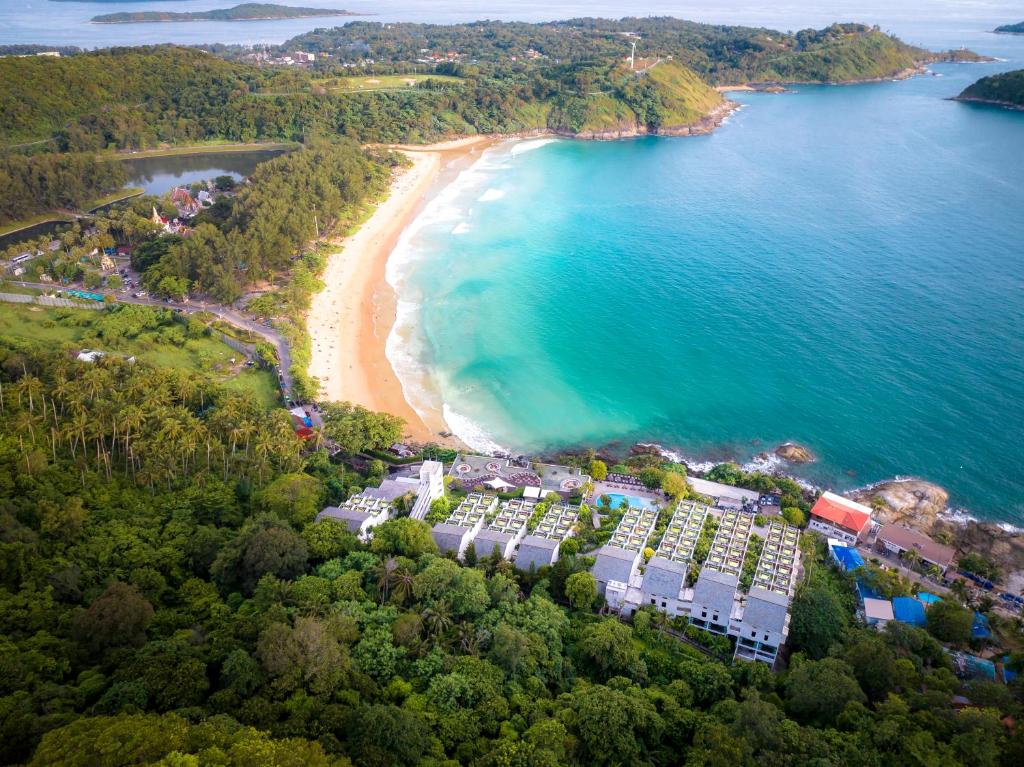
Nai Harn Beach is the favourite beach of the south, a wide bay with soft sand, calm water in the dry season and a temple and a lake behind it; Nai Harn Lake is surrounded by a flat path popular with joggers and walkers. Ya Nui Beach, a small double cove nearby, is good for snorkelling, and kayaks can be rented to paddle to the islet opposite. From about May to October red flags often forbid swimming on the exposed beaches, so follow the flags and the lifeguards.
Promthep Cape, at the southern tip, is free to visit and the island's classic sunset spot: in the dry season the sun sets at about 18:30, and the car park can be full an hour before. Nearby, the Windmill Viewpoint between Ya Nui and Nai Harn offers wide views of the coast. The Rawai seafood market by the pier sells fish, prawns and shellfish by the kilo, and the restaurants next to it cook them for about 50 to 150 baht per dish; tiger prawns, for example, cost about 350 to 550 baht a kilo.
From Rawai Pier, longtail boats and speedboats leave for the small islands off the south coast, and Chalong Pier, for Koh Racha and Coral Island, is about 15 minutes away. Rawai is also home to a community of Urak Lawoi sea people, whose village stands near the beach.
From Phuket International Airport, at the other end of the island, the ride takes well over an hour by car, depending on traffic. The Phuket Smart Bus runs from the airport down the west coast to Rawai, its last stop, for a flat 100 baht; the whole trip takes more than two hours.
Within the area, most visitors rent a scooter or a car or use ride-hailing apps, as distances between the beaches, shops and villa estates are long. Scooter riders need a motorcycle licence and an International Driving Permit valid for motorcycles, and helmets are compulsory.
The dry season, from about November to April, is the best time for Nai Harn, Ya Nui and the sunset at Promthep Cape, with the busiest weeks from Christmas to February. From about May to October the monsoon brings showers, rough seas on the west-facing beaches and lower prices, with the heaviest rain in September and October. Rawai Beach and the pier, facing south-east, are more sheltered during the monsoon.
Rawai lives at a slower pace than the west-coast resorts. In the morning, fishermen unload at the pier, runners circle Nai Harn Lake and cafés fill with long-stay residents working on their laptops. During the day, people move between the beach, the gym, the market and home, and in the afternoon the training camps and yoga studios are busy.
At sunset, many residents head to Promthep Cape, the Windmill Viewpoint or the beach at Nai Harn, and in the evening the seafood restaurants by the pier and the small restaurants of the villages fill up. The community is international, with Thai families, sea people, Europeans, Russians and Australians living side by side, and the atmosphere is friendly and informal.
For travellers, Rawai is a relaxed base with beautiful beaches, the best sunsets of the island and plenty of space, ideal for longer stays.
The Rawai seafood market is the highlight: choose your seafood at the stalls, then take it to one of the restaurants next door, which cook it in the style you want for a small fee per dish. The restaurants along the beach road also serve grilled fish, crab and prawns with views of the boats.
Rawai and Nai Harn also have many international cafés, bakeries and healthy restaurants for the long-stay community, plus Thai street food at the markets and food stalls along the main roads.
Yes, for long stays, villas, quiet evenings and easy access to Nai Harn Beach and Promthep Cape. For nightlife, Patong is about 30 to 40 minutes away.
Rawai Beach is mainly used by boats and is not ideal for swimming; Nai Harn and Ya Nui, a few minutes away, are much better.
Seafood is sold by the kilo, and the restaurants next to the market charge about 50 to 150 baht per dish to cook it.
By car in well over an hour, or by Smart Bus to its last stop in more than two hours for 100 baht.