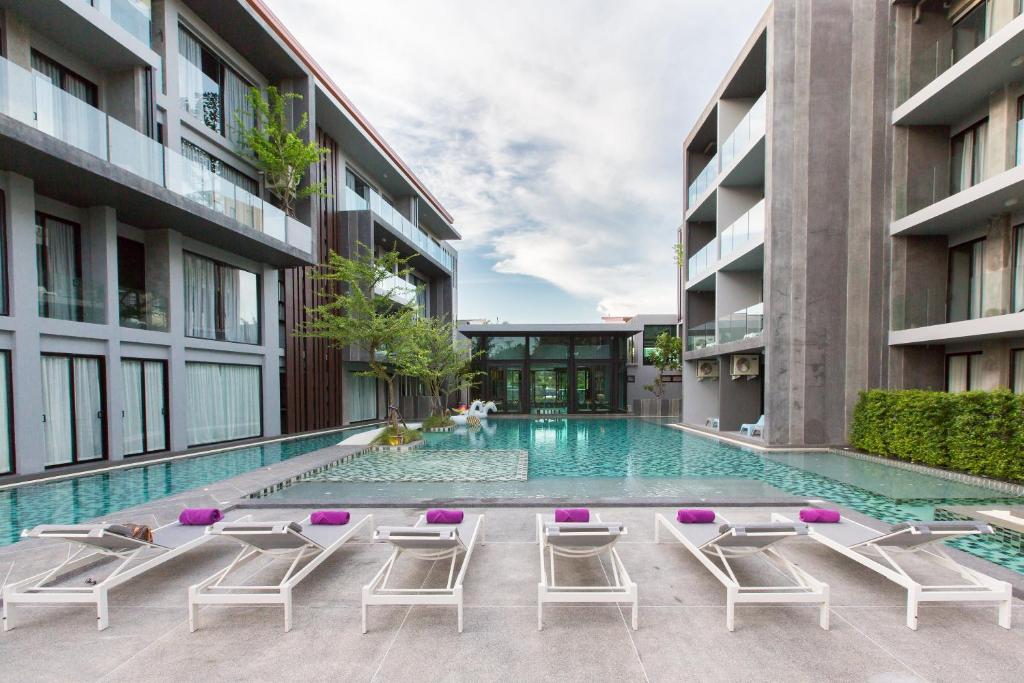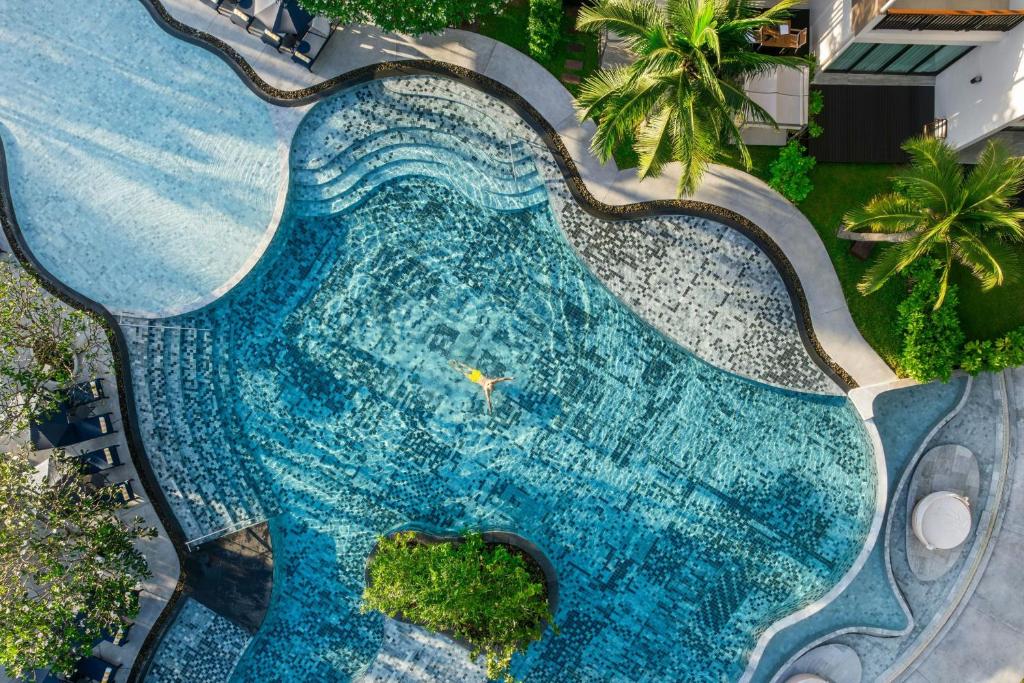
Panphuree Residence
Nai Yang · 25.7 km from the centre
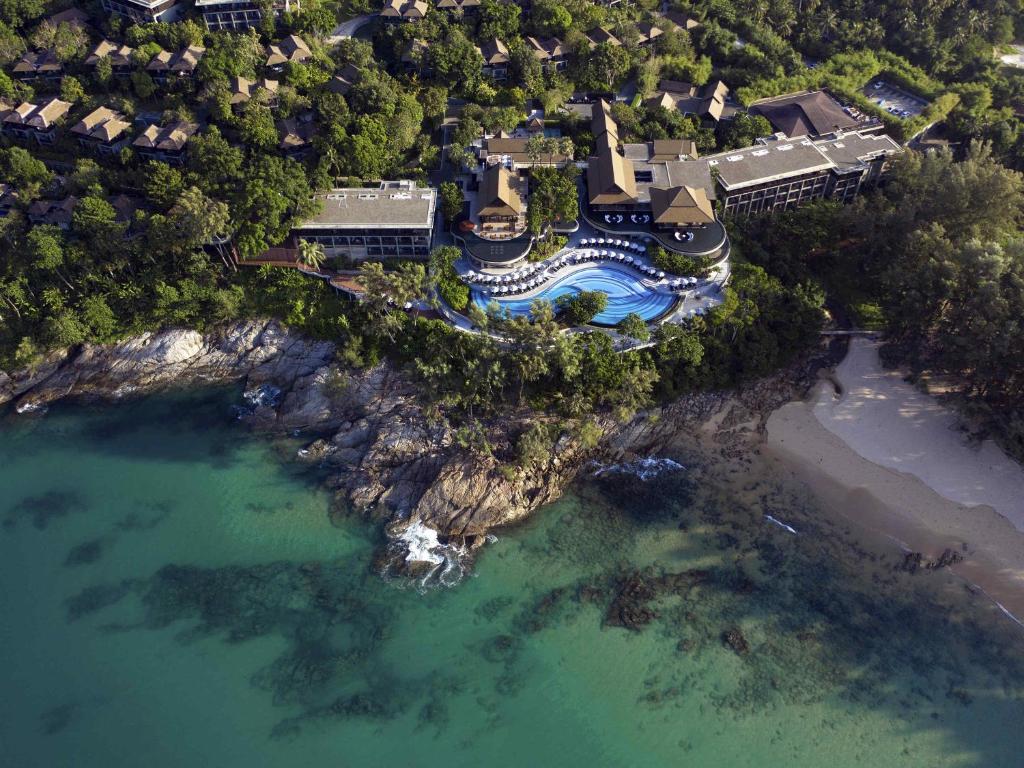
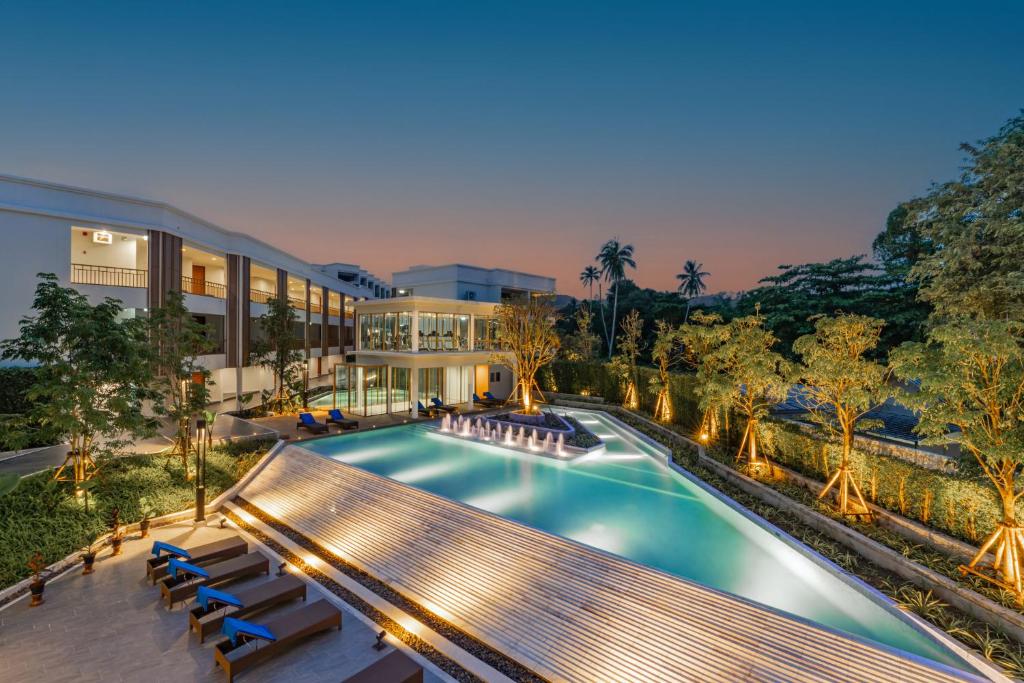
A hotel in Nai Yang, Phuket, with an outdoor infinity pool, mountain-view dining, family suites, free private parking, a fitness centre and a one-way airport transfer.
217 accommodations
Nai Yang · 25.7 km from the centre
A hotel in Nai Yang, Phuket, with an outdoor infinity pool, mountain-view dining, family suites, free private parking, a fitness centre and a one-way airport transfer.
Nai Yang · 25.8 km from the centre
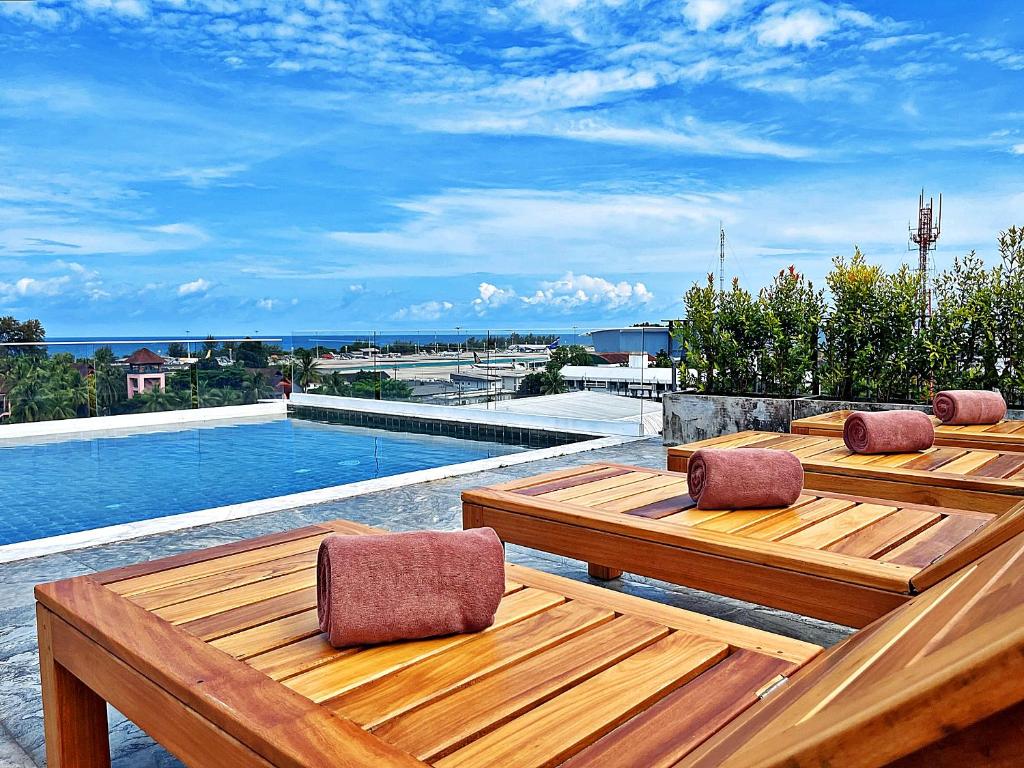
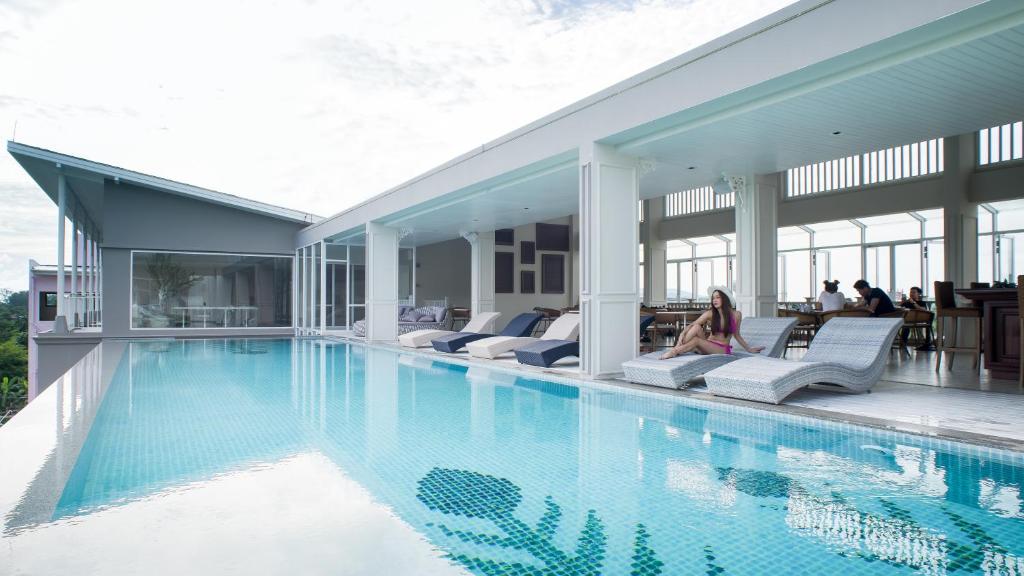
Three-star hotel in Nai Yang, Phuket, with a rooftop pool, family rooms and a fitness centre; Nai Yang Beach is 650 m away and Phuket International Airport is 200 m away.
Nai Yang · 27.3 km from the centre
A 5-star beachfront resort in Nai Yang, Phuket, with family accommodation, six restaurants, a spa, free private parking and easy access to nearby beaches.
Nai Yang · 25.1 km from the centre
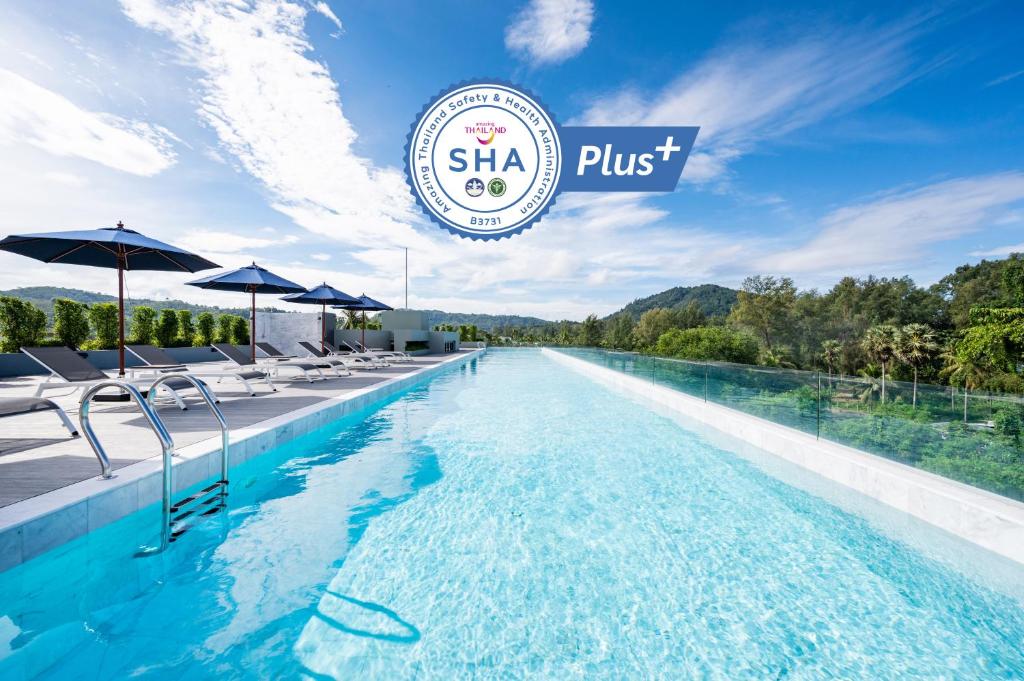
A four-star hotel in Nai Yang, Phuket, with a rooftop pool, restaurant, family rooms and free private parking, 150 m from Nai Yang Beach.
Nai Yang · 24.6 km from the centre
A four-star resort in Nai Yang, Phuket, with private villas, pool-view rooms, spa facilities and Nai Yang Beach 150 m away.
Nai Yang · 23.3 km from the centre
A 5-star hotel in Nai Yang, Phuket, with direct access to Nai Thon Beach, sea-view rooms, three restaurants, a spa and a private-pool villa.
Nai Yang · 25.3 km from the centre
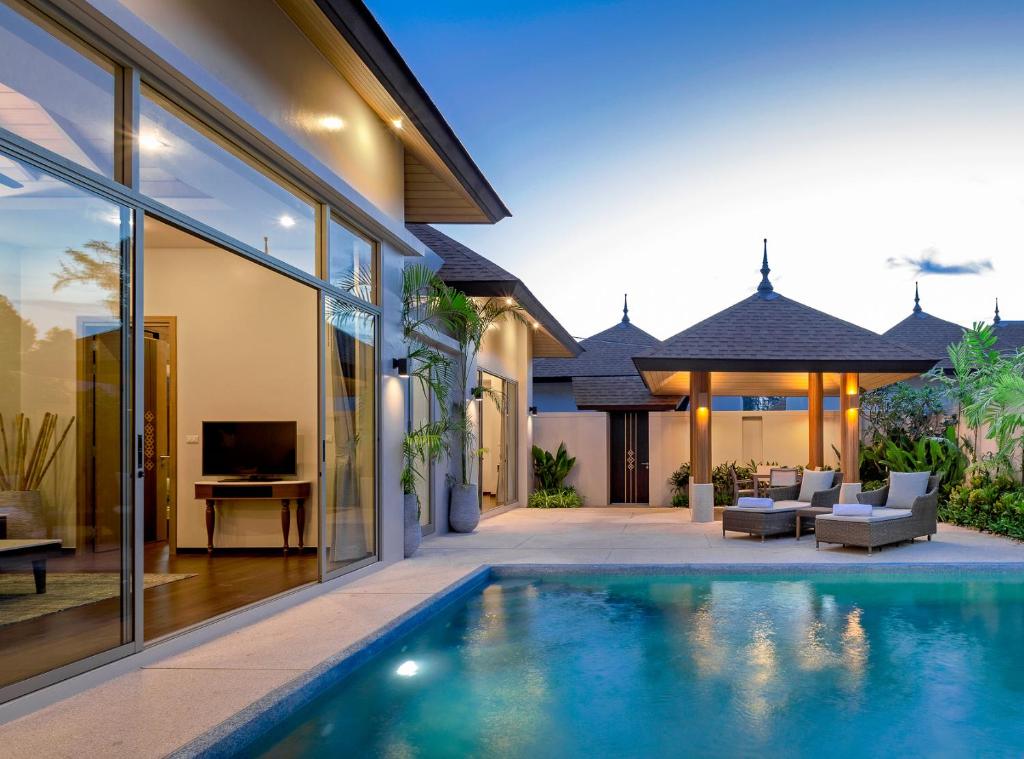
A beachfront resort in Nai Yang, Phuket, with garden-view rooms, private-pool villas, two restaurants, a spa and a complimentary one-way airport transfer.
Nai Yang · 26.3 km from the centre
A three-star hotel in Nai Yang, Phuket, with balcony rooms, complimentary airport transfers, on-site dining and private parking, 750 m from Nai Yang Beach.
Nai Yang · 25.1 km from the centre
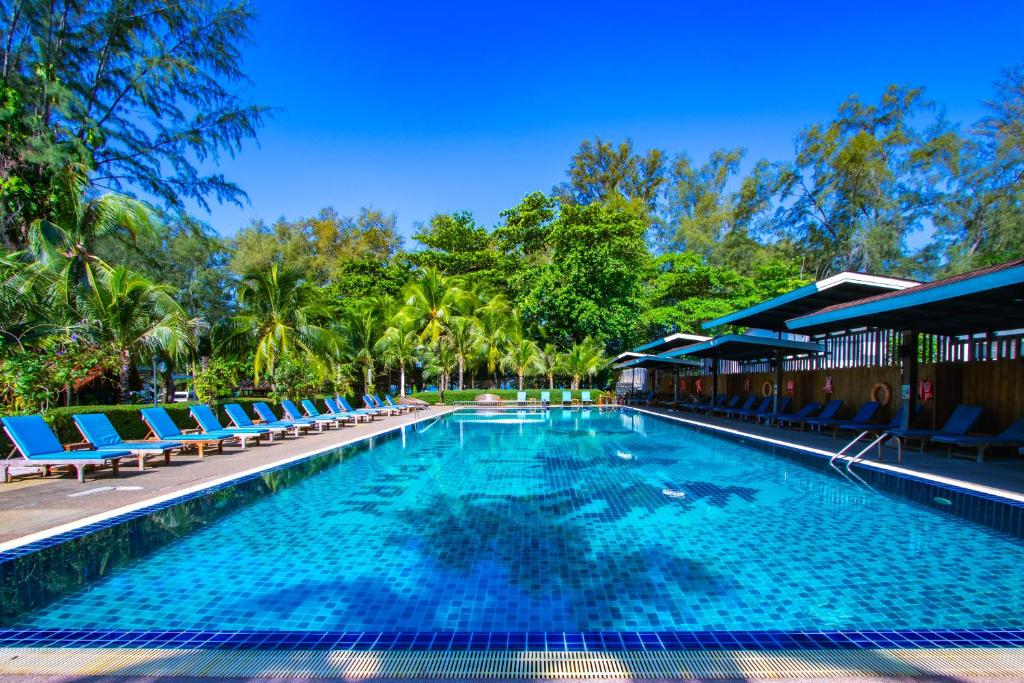
A four-star hotel in Nai Yang, Phuket, with an outdoor pool, airport shuttle, family room options, on-site dining and Nai Yang Beach nearby.
Nai Yang · 24.9 km from the centre
A five-star hotel in Nai Yang, Phuket, with a saltwater pool, restaurant, fitness centre, balcony rooms and Nai Yang Beach just across the road.
Nai Yang · 25.8 km from the centre
BS Airport at Phuket is a 3-star hotel in Nai Yang with complimentary airport transfers, family room options, free bicycle use and Nai Yang Beach nearby.
Nai Yang · 25.7 km from the centre
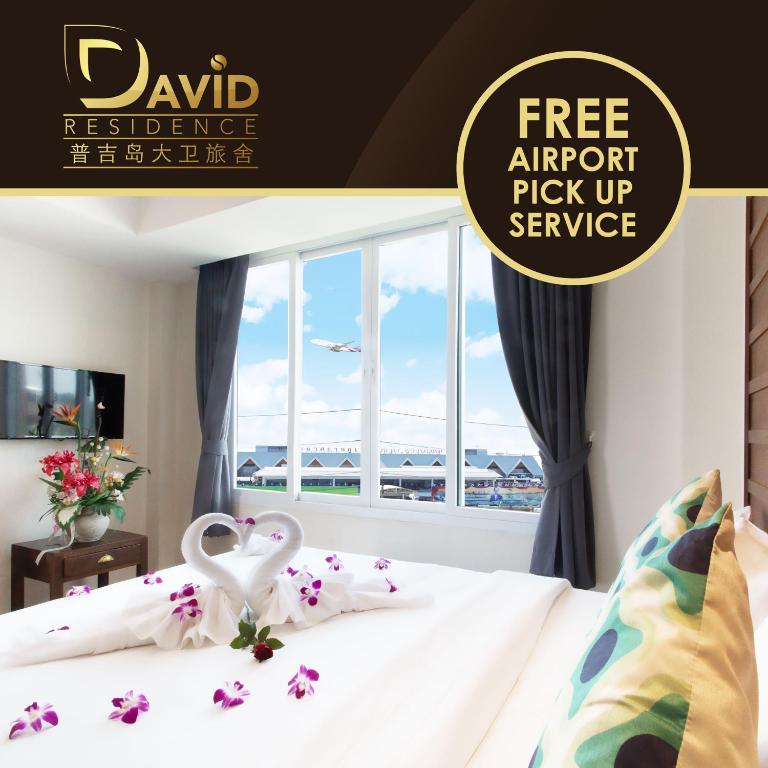
A two-star hotel in Nai Yang, Phuket, with 30 m² rooms, balconies and terraces, free private parking, and Phuket International Airport 400 m away.
Nai Yang · 25.5 km from the centre
A four-star hotel in Nai Yang, Phuket, with an outdoor pool, airport shuttle, fitness centre and balcony rooms, including options with pool views or direct pool access.
Nai Yang · 25.1 km from the centre
Atom Phuket Hotel is a 3-star hotel in Nai Yang, Phuket, with family rooms, an outdoor pool and a garden, 950 m from Nai Yang Beach and close to the airport.
Nai Yang · 25.7 km from the centre
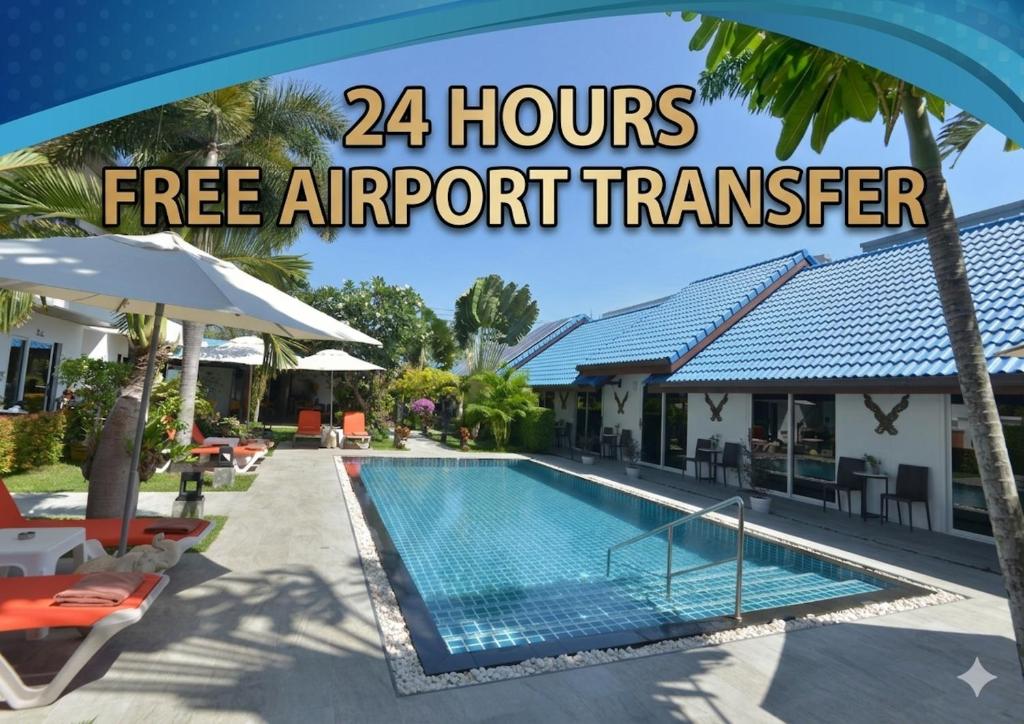
A 3-star resort in Nai Yang, Phuket, with a garden-framed pool, soundproofed rooms, free 24-hour airport transfers and Nai Yang Beach 700 m away.
Nai Yang · 28.9 km from the centre
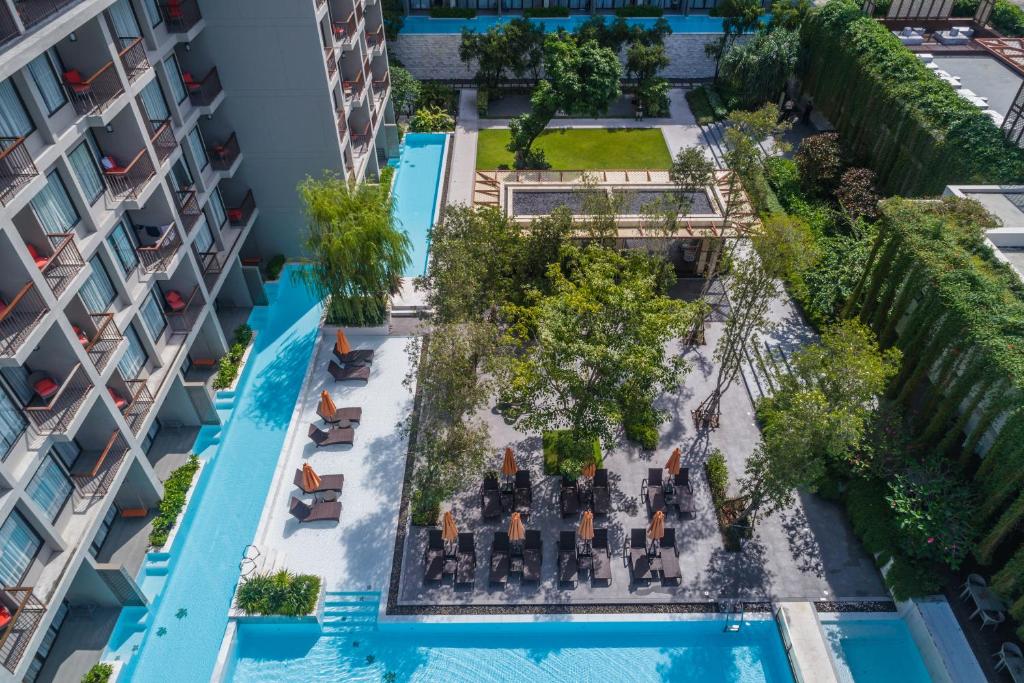
A four-star hotel in Nai Yang, Phuket, with Thai-inspired architecture, a long pool with slides, spacious rooms including family accommodation, three restaurants and nearby beach a...
Nai Yang · 25.8 km from the centre
beHOME Phuket is a 3-star hotel in Nai Yang, Phuket, with balcony rooms, free private parking and a garden, 350 m from the airport and 500 m from Nai Yang Beach.
Nai Yang · 22.9 km from the centre
A four-star resort in Nai Yang, Phuket, with sea-view rooms and villas, two outdoor pools, a private beach area, spa treatments and dining beside the bay.
Nai Yang · 25.8 km from the centre
A four-star hotel in Nai Yang, Phuket, with an outdoor pool, a 500 m walk to Nai Yang Beach, airport transfers and rooms with balcony or private-pool options.
Nai Yang · 30.8 km from the centre
A beachfront 5-star hotel in Nai Yang, Phuket, with family suites, several pools, spa facilities and three restaurants beside Mai Khao’s northern shoreline.
Nai Yang is a quiet beach in the north-west of Phuket, right next to the airport, inside Sirinat National Park. Its bay is lined with casuarina trees, simple seafood restaurants, massage huts and small hotels, and planes landing over the sea are part of the scenery. To the north, Mai Khao is the longest beach on the island, wild and almost empty, with a few large resorts hidden behind the trees, and to the south Nai Thon is a small, unspoilt bay surrounded by green hills.
On this site Nai Yang covers the beaches near the airport: Nai Yang, Mai Khao and Nai Thon, and the villages behind them.
Nai Yang suits travellers on a first or last night in Phuket, families and couples who want calm beaches and nature rather than nightlife, and visitors who prefer local seafood restaurants to busy resort towns. The airport is only a few minutes away, which makes it ideal for early or late flights.
The trade-offs are distance from the rest of the island, with Patong about an hour away, and limited shops, nightlife and public transport. In the rainy season the beaches can be exposed to strong waves.
The 217 properties listed in this area are a mix of apartments, hotels, villas and resorts, with a few guest houses and holiday homes. Small hotels and guest houses line the road behind Nai Yang Beach, apartment complexes and villas are spread around the villages, and Mai Khao has several large beachfront resorts, some of them among the most luxurious in Phuket. Guest ratings are high, with a median of about 8.6 out of 10 on this site.
The north of the island, which includes Nai Yang and Mai Khao, had an average rate of about 7,400 baht a night for upscale and luxury hotels in the first half of 2026, according to market data; the small hotels and guest houses of Nai Yang village are much cheaper. When choosing, check the distance to the airport if noise is a concern, as some properties are under the flight path.
Nai Yang Beach is shaded by casuarina trees, with calm water in the dry season, seafood restaurants on the sand and a relaxed, local atmosphere. Mai Khao Beach, to the north, is long and wild; at its southern end, near the runway, the planes pass low overhead, a popular spot for photos. Mai Khao is also one of the few beaches in Phuket where sea turtles still occasionally nest, usually between November and February: a leatherback turtle nest was recorded there in February 2024. Nai Thon Beach, to the south, is a quiet bay with good swimming in the dry season.
Sirinat National Park, which protects these beaches and their mangroves, charges an entry fee of 200 baht for foreign visitors at some access points. From about May to October, red flags often forbid swimming because of strong currents: in July 2026 two tourists had to be rescued after entering the water at Nai Thon despite the flags, so always follow them.
From Nai Yang, the Sarasin Bridge to the mainland is about 20 minutes to the north, and the Heroines Monument and the Thalang National Museum, which tell the story of the defence of the island against the Burmese in 1785, are about 20 to 30 minutes away. Bang Tao and Laguna are about 20 minutes south.
Phuket International Airport is next to Nai Yang, a few minutes by car or taxi; many hotels offer airport transfers. The Phuket Smart Bus starts at the airport and runs down the west coast to Rawai, for a flat 100 baht.
There is little public transport within the area, so most visitors use taxis, ride-hailing apps or rented scooters. Scooter riders need a motorcycle licence and an International Driving Permit valid for motorcycles, and helmets are compulsory.
The dry season, from about November to April, is the best time for swimming and for the seafood restaurants on the sand; it is also the season when turtles may nest at Mai Khao. From about May to October the monsoon brings rough seas, frequent red flags and lower prices, with the heaviest rain in September and October. March and April are the hottest months.
Nai Yang feels like a small seaside village. In the morning fishermen bring in their catch, local families walk on the beach, and the massage huts and restaurants under the trees open slowly. During the day the beach is quiet, with a few visitors, children playing and planes passing overhead.
In the evening, the seafood restaurants light up along the sand and the night market sells street food and souvenirs. Many guests are travellers between flights, families and repeat visitors who come for the calm, and Thai families from the rest of the island come at weekends for picnics under the casuarina trees.
For travellers, Nai Yang is a calm, natural and practical base, perfect for the start or end of a trip and for anyone who prefers peace to nightlife.
Nai Yang is known for its seafood restaurants on the beach, where tables stand on the sand under the trees and the catch of the day is grilled, steamed or fried with Thai sauces. Prices are lower than in the main resort areas, and the atmosphere is relaxed, especially at sunset.
The night market and the stalls on the road behind the beach sell cheap Thai food, and the large resorts of Mai Khao have international restaurants. For more choice, the restaurants of Bang Tao and Cherngtalay are about 20 minutes to the south.
Yes, for a first or last night near the airport, for calm beaches and nature, and for families who prefer quiet to nightlife.
Only a few minutes by car; the beach is next to the runway.
Some properties close to the runway hear the planes; hotels further from the flight path are quiet.
Rarely: sea turtles occasionally nest at Mai Khao between November and February, and the nests are protected.